

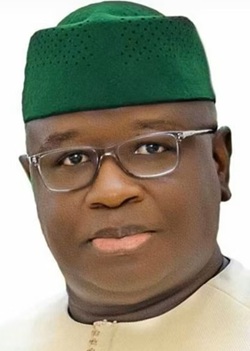
As President Julius Maada Bio rounds up his second and final term in office, Sierra Leone finds itself at critical crossroads. His leadership once believed to be reformist, is now being measured against the harsh reality of delivery, consistency, and trust. With the clock ticking toward the 2028 general elections and the end of Bio’s constitutionally mandated term, it is time to grade his performance honestly.
Was his second term a story of continuity and consolidation—or of promises postponed and principles abandoned?
The Promise of a New Direction: When Bio first took office in 2018 he branded his agenda as a “New Direction”, vowing to transform governance, education, and accountability. His re-election in 2023 came with heightened expectations—this time, not just to plant seeds of reform, but to harvest tangible results. So, how has he fared?
Education: The Crown Jewel, but is it Polished?
President Bio’s flagship Free Quality Education (FQE) program remains his most visible achievement. Millions of children have gained access to tuition-free schooling, textbooks, and school meals. Enrollment rates, especially for girls, have risen significantly. The government has also invested in teacher training, infrastructure, and examination reforms.
But beneath the surface, challenges persist. The quality of education is still under question, with overcrowded classrooms, underpaid teachers, and limited access to technology in rural areas. Critics argue that while access has improved, outcomes have not kept pace. High dropout rates and poor performance in national exams suggest that access alone is not enough.
Still, in the education sector, Bio scores a solid B+: It is ambitious, impactful; but not without its cracks.
Gender Equality: Progressive on Paper, Problematic in Practice:
One of the most celebrated legal reforms under Bio’s administration was the Gender Equality and Women’s Empowerment (GEWE) Act of 2022, mandating 30% representation for women in all elective and appointive public positions. The law was historic, and Bio was praised for being one of the few African presidents to sign such progressive legislation. But the celebration was short-lived.
In 2025, the ruling SLPP’s national executive was restructured with just 13% female representation—less than half the legal requirement. How could the same government that wrote the law so blatantly ignore it?
This contradiction has left a bitter taste. Women were promised inclusion, but in practice, they have been side-lined from the party’s top decision-making organs.
Score: C. Visionary legislation, but undermined by political hypocrisy.
Economy: Caught Between Crisis and Control
Bio’s second term coincided with global economic turbulence: post-COVID recovery, commodity shocks, and inflation. But local mismanagement has amplified the pain. Inflation remains high, the Leone has struggled, and youth unemployment continues to rise.
While the administration has rolled out programs to support local agriculture, MSMEs, and digitization (like the Integrated Tax Administration System), the economic impact on the average Sierra Leonean remains grim. Prices of food, transportation, and basic services have soared, with no sustainable relief in sight.
The government also faces criticism for high domestic borrowing, increased debt, and reliance on donor funds.
Score: D+. Structural efforts made, but with little relief felt at household level.
Anti-Corruption and Governance: Gains Slipping Away
President Bio’s first term was marked by aggressive anti-corruption rhetoric. The Anti-Corruption Commission (ACC) under Francis Ben Kaifala secured several high-profile convictions and asset recoveries.
But by his second term, the fight had lost steam. Accusations of selective justice, targeting opposition, and shielding allies have plagued the credibility of the anti-corruption drive. The 2023 elections, marred by allegations of lack of transparency, further tainted Bio’s governance image.
Additionally, the government’s strained relationship with civil society, media, and opposition parties has raised concerns about democratic backsliding.
Score: C-: A promising start that struggled to stay consistent.
Infrastructure and Digital Governance: Some Bright Spots
One area where the Bio administration deserves commendation is digital transformation. Initiatives like the national digital ID, e-governance platforms, and reforms in tax systems have modernized public administration.
There have also been road works, energy expansion projects, and housing developments, although many remain unfinished or underutilized. Rural areas still suffer from poor connectivity, electricity gaps, and road decay.
Score: B. Commendable ambition with visible results, though not uniform.
Legacy in the Making, Or A Shadow?
With just a few years left, Bio’s legacy is far from settled. Supporters will point to education reforms, women’s rights laws, and digital governance as his signature achievements. But critics will highlight economic hardship, political exclusion, and broken promises as defining features of his second term.
What’s certain is this: the second term has been more complicated than the first. Bio’s administration moved from hopeful beginnings to defensive politics, often prioritizing control over collaboration, and optics over outcomes.
The people of Sierra Leone expected more—not just vision, but fulfillment. Not just reform on paper, but in practice.
Final Grade: A Mixed Record:
Education: B+
Gender Equality: C
Economy: D+
Anti-Corruption & Governance: C-
Infrastructure & Digital Reforms: B
Overall Score: C
Signing Out, but Not Forgotten:
As President Bio prepares to hand over the baton in 2028, he must decide how he wants to be remembered: as a reformer who meant well but fell short, or as a leader who corrected his course in time.
There’s still a window for redemption—a chance to honor the promises made to Sierra Leoneans. But time is running out. The final chapters of this administration will define the story told for generations to come.
So, Mr. President, as you prepare to sign out—what will your final signature stands for?