


By Musa Paul Feika
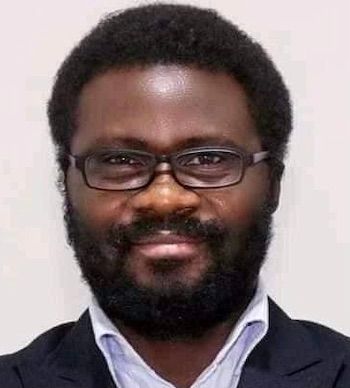
In a hard hitting interview on Liberty Online TV, Legal Practitioner and President of the Lawyers’ Society, Augustine Sorie Sengbe Marrah, has launched a blistering critique of President Julius Maada Bio’s youthful appointees, accusing them of failing Sierra Leone through incompetence, poor performance, and lack of accountability.
Sengbe Marrah, one of the country’s most outspoken lawyers and social commentators, acknowledged the value of youth participation in governance but insisted that inclusion must be matched with competence and results. He lamented that many of the young leaders entrusted with critical state portfolios have performed “far below expectations.”
“It is commendable to have young people in positions of authority, but governance is about results, accountability, and vision not titles,” Sengbe Marrah declared.
Unfulfilled Promise of Youth Leadership:
Since assuming power in 2018, President Bio has prided himself on promoting youthful leaders into government, presenting them as the face of a new, dynamic Sierra Leone. Several ministries, agencies, and commissions are currently headed by young appointees, with the administration portraying them as symbols of innovation and inclusivity.
However, according to Sengbe Marrah, the reality has been disappointing. He argued that many of these appointees have failed to grasp the complexities of policy formulation and execution, leaving significant gaps in governance and public service delivery.
“Leadership is not about slogans or being called ‘Honorable.’ Leadership is about measurable impact, sound decision making, and a legacy that uplifts institutions and communities,” he stressed.
Concerns over Competence and Accountability: The Lawyers’ President noted that the expectations placed on these young officials were high not only from the government but also from the public, who saw their appointments as a chance for renewal.
Unfortunately, he said, many have fallen into the trap of political patronage, neglecting their core responsibilities, pointing to failures in policy execution, weak institutional reforms, and a lack of transparency as recurring issues that have tarnished the image of youthful governance.
“Youth is a resource, but without discipline, guidance, and accountability, it remains untapped potential,” Sengbe Marrah cautioned.
Despite his criticism, Sengbe Marrah did not dismiss the idea of youth leadership. Instead, he urged the government to invest more in mentorship, training, and capacity building programs that can prepare young leaders for the daunting challenges of public administration.
He argued that political appointments should not be used as rewards for loyalty or campaign support but should instead be anchored in merit, integrity, and a proven track record of service.
The Intensification of Public Debate:
Lawyer Sorie Sengbe Marrah’s remarks come at a time of growing public debate over the performance of young leaders in government. While some citizens applaud their energy and fresh perspectives, others complain that their tenure has been marked by arrogance, inexperience, and a lack of tangible progress.
Analysts say the performance of these youthful appointees could make or break the government’s broader agenda of inclusivity and innovation. A failure to deliver, they argue, risks not only eroding public trust but also undermining the very ideals of youth empowerment and political renewal that the administration has championed.
For Sengbe Marrah, the message is clear, young officials must rise above rhetoric and prove their worth by delivering results that directly benefit ordinary Sierra Leoneans.
“The people of Sierra Leone want leaders who can transform their lives through policies and actions not empty speeches,” he concluded.
As Sierra Leone continues its experiment with youthful leadership, Sengbe Marrah’s criticism stands as both a warning and a challenge unless young appointees rise to the occasion, their legacy may not be one of progress and innovation but of wasted opportunity.