

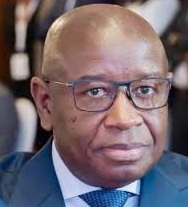
As Sierra Leone moves through the latter part of President Julius Maada Bio’s administration, an increasingly common conversation in public discourse is whether time is running short for the government to fully deliver on the promises that inspired millions of voters.
When President Bio sought the confidence of the Sierra Leonean people, his message centered on hope, national transformation, better governance, economic opportunity, improved education, quality healthcare, and a brighter future for every citizen. Those commitments generated high expectations across the country. Many believed the administration would bring significant progress in addressing unemployment, strengthening public institutions, expanding infrastructure, and improving living standards.
Several years into his presidency, however, opinions remain divided. Supporters point to initiatives such as investments in education, infrastructure projects, and reforms in various sectors as evidence that progress has been made despite significant domestic and global challenges. Critics, on the other hand, argue that many of the promises that mattered most to ordinary Sierra Leoneans have yet to produce the widespread improvements people expected.
Among the greatest concerns is the economy. Across many communities, households continue to face high prices for food, transportation, fuel, and other basic necessities. Families are finding it increasingly difficult to balance their budgets, while many small businesses struggle with rising operating costs and reduced consumer spending. Although global economic shocks have affected countries around the world, many Sierra Leoneans expect their government to implement policies that lessen these pressures and create a more stable economic environment.
Youth unemployment remains another defining issue. Every year, thousands of graduates complete their education with aspirations of contributing to national development. Yet many continue to search for meaningful employment opportunities. Others have turned to informal businesses or temporary work that provides limited income and security. Young people increasingly want to see policies that encourage investment, promote entrepreneurship, expand vocational training, and create sustainable jobs rather than temporary solutions.
Healthcare also remains an area where expectations continue to be high. While improvements have been made in some aspects of the health sector, many communities still report challenges related to access, staffing, medicines, and medical equipment. Citizens continue to hope for a healthcare system that is reliable, affordable, and capable of serving people in both urban and rural communities.
Education has been one of the administration’s flagship priorities. Expanded access to education has been welcomed by many Sierra Leoneans. At the same time, parents, teachers, and education stakeholders continue to call for greater attention to the quality of teaching, school infrastructure, learning materials, and classroom conditions. Expanding access is an important step, but ensuring that students receive a high-quality education remains equally important.
Infrastructure development continues to shape public expectations. Reliable roads, electricity, clean water, sanitation, and digital connectivity are essential for economic growth and national development. Many citizens acknowledge ongoing projects while expressing hope that more communities will benefit from improved public services before the end of the administration.
Supporters of President Bio emphasize that governing has been complicated by international events, including the economic effects of the COVID-19 pandemic, inflation, and global supply chain disruptions. They argue that these external factors have slowed progress and affected governments across the world. Critics respond that while external challenges are real, citizens ultimately judge governments by how effectively they respond to adversity and improve everyday life.
This is why timing has become such an important part of the national conversation. As an administration advances through its term, expectations naturally shift from promises and plans to measurable outcomes. Citizens increasingly ask not what will be done, but what has already been achieved and what can realistically be completed before the end of the government’s mandate.
Democracy depends on accountability. Citizens have the right to evaluate the performance of their leaders, acknowledge achievements, question shortcomings, and expect transparency in governance. Constructive criticism is a normal and valuable part of democratic life, just as governments have the opportunity to explain their policies and demonstrate their results.
Whether President Bio ultimately fulfills the expectations placed upon him will be judged not only by political supporters or opponents but by history and by the experiences of ordinary Sierra Leoneans. The remaining period of his administration represents an important opportunity to accelerate reforms, address persistent challenges, and strengthen public confidence through visible and measurable progress.
For many Sierra Leoneans, the question is no longer simply about promises made years ago. It is about whether the time that remains will be sufficient to translate those promises into lasting improvements in jobs, healthcare, education, infrastructure, economic stability, and the overall quality of life. In the end, it is the people who will decide whether the administration met their expectations and delivered the change they were promised.