

The Sierra Leone Advocacy Movement (SLAM-Global) has criticised the Bintumani National Unity and Social Cohesion Conference, arguing that national reconciliation must be accompanied by electoral accountability, justice and the full implementation of commitments made under the 2023 Agreement for National Unity.
In a press statement dated October 29, 2026, the advocacy organisation described the conference as a potential distraction from unresolved national issues, insisting that political dialogue and public displays of unity cannot substitute for concrete institutional reforms.
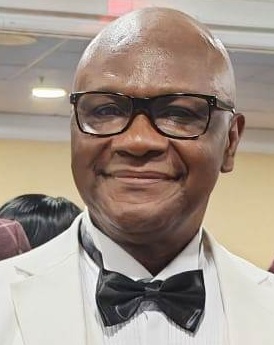
The statement, issued by SLAM-Global Director General Dr Alfred A. Veenod Fullah, comes amid continuing public debate about the credibility of the June 2023 elections, the implementation of the Tripartite Committee’s 80 recommendations and the country’s efforts to strengthen political cooperation ahead of the 2028 general elections.
SLAM-Global made clear that it does not oppose dialogue or peace initiatives. Instead, it argues that lasting peace requires political leaders to address the grievances and institutional concerns that have affected public confidence.
“We do not condemn dialogue. We condemn the substitution of ceremony for accountability,” the organisation stated.
One of the major issues raised in the statement concerns former President Ernest Bai Koroma and the discontinuance of criminal proceedings against him in July 2026.
Koroma had faced treason and related charges in connection with the November 26, 2023 events, which the government described as an attempted coup. He denied wrongdoing, according to the statement.
SLAM-Global questioned how the country moved from those serious allegations to the former president’s subsequent public participation in national reconciliation efforts.
The organisation, however, clarified that its questions were not intended to pronounce Koroma guilty. Rather, it called for transparency regarding the decision to discontinue the proceedings and the broader public interest in accountability.
It also asked what explanations had been provided to families affected by the November 2023 violence and what lessons had been established concerning the security failures surrounding the events.
The questions raise a broader governance issue: how can a country pursue reconciliation while ensuring that serious national controversies receive appropriate public explanation?
For SLAM-Global, the discontinuance of proceedings should not automatically be interpreted as either proof of guilt or a judicial declaration of innocence. The organisation maintains that the legal basis for the decision and the wider questions of accountability deserve public attention.
SLAM-Global also renewed concerns about the transparency of the June 2023 presidential election, which the Electoral Commission for Sierra Leone declared President Julius Maada Bio had won.
The organisation argued that citizens deserve an independently verifiable account of the electoral process, particularly the transparency of results and the tabulation procedures that became subjects of national and international debate.
Importantly, SLAM-Global stated that it did not claim to know an alternative winner in the absence of independently verified evidence.
Its central demand is that the electoral process and declared results should withstand transparent and independent scrutiny capable of strengthening public confidence.
The position places electoral credibility at the centre of the national reconciliation debate. While political leaders may seek to reduce tensions through dialogue, the organisation argues that public trust also depends on the transparency, independence and accountability of electoral institutions.
The statement further questions whether citizens can be expected to move forward without satisfactory answers to concerns that contributed to the political divisions surrounding the 2023 elections.
Another major concern is the implementation of the Agreement for National Unity, signed on October 18, 2023, following the political tensions surrounding the elections.
The agreement provided a framework for addressing political disagreements and pursuing reforms. The subsequent Tripartite Committee produced 80 recommendations intended to strengthen democratic institutions and address electoral and governance concerns.
SLAM-Global acknowledged that work had been undertaken since the agreement was signed. However, it insisted that the public deserves a detailed account of what has been completed, what remains outstanding and which institutions are responsible for fulfilling the outstanding commitments.
The organisation also highlighted December 31, 2026, as the reported deadline agreed by international moral guarantors for restructuring the Electoral Commission for Sierra Leone.
With that deadline approaching, SLAM-Global called for a publicly accessible implementation report and a dated plan for completing outstanding reforms.
Its argument is that another national declaration of unity will have limited value unless the commitments already made produce measurable institutional changes.
SLAM-Global further questioned whether improved relations between President Bio and former President Koroma should be treated as sufficient evidence of national reconciliation.
According to the organisation, the quality of peace should instead be measured by whether citizens enjoy equal protection under the law, whether courts operate independently, whether opposition voices can speak freely and whether victims of political violence can seek justice.
It also emphasised the experiences of ordinary citizens, including market women, farmers, students and voters, arguing that national progress should be assessed through practical outcomes rather than the number of conferences or public statements issued.
The organisation’s position raises an important distinction between political reconciliation among leaders and broader public confidence in democratic institutions.
A conference may create opportunities for dialogue, but rebuilding trust also requires institutions to demonstrate impartiality, transparency and respect for constitutional rights.
In its statement, SLAM-Global outlined six demands directed at President Bio’s administration, the All People’s Congress (APC) leadership, the institutions responsible for implementing the Tripartite recommendations and international moral guarantors.
These include full implementation of the 2023 Agreement for National Unity; a transparent and lawful account of unresolved electoral concerns; a public explanation of the decision to discontinue proceedings against Koroma; equal justice and due process for all citizens; measurable electoral and institutional reforms before the 2028 elections; and independent monitoring of reconciliation commitments.
The organisation also called for regular public reporting to enable citizens to distinguish completed reforms from promises that remain unfulfilled.
These demands place responsibility on both the government and other relevant political and institutional actors to demonstrate progress through verifiable actions.
However, the statement does not, by itself, establish the current completion status of each of the 80 Tripartite recommendations. A comprehensive assessment would require an examination of official implementation records and responses from the institutions concerned.
SLAM-Global’s criticism adds to the wider national conversation about the relationship between peace, justice and democratic accountability.
The organisation maintains that reconciliation should not require citizens to abandon questions about electoral transparency, the handling of serious security incidents or the implementation of agreements intended to resolve political disagreements.
Its position is that sustainable peace must be built on public trust, constitutional protections and institutions capable of addressing legitimate concerns.Whether the Bintumani conference will contribute to that objective will ultimately depend not only on the messages delivered by political leaders, but also on the reforms and commitments that follow.
As Sierra Leone looks towards the 2028 elections, the central question raised by SLAM-Global remains whether the country can translate its commitments to national unity into measurable progress on electoral confidence, justice and institutional independence.
For the organisation, peace and accountability should not be treated as competing objectives. Both, it argues, are necessary for a stable and democratic Sierra Leone.