
By Musa Paul Feika
Public concern continues to grow in Sierra Leone following reports of a massive cocaine seizure linked to a vessel allegedly connected to Sierra Leonean interests off the coast of Western Sahara. The incident, widely reported by international media outlets, has sparked questions about transparency, accountability, and the government’s response to allegations that could damage the country’s global image.
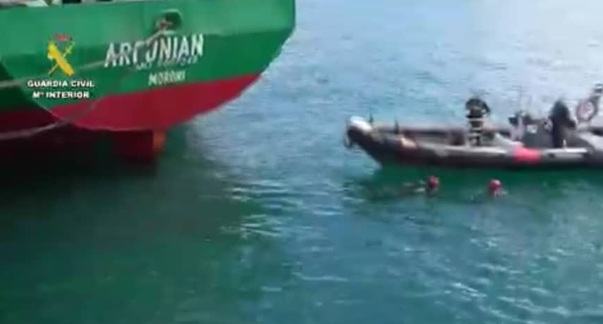
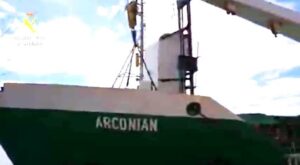
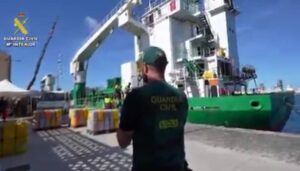
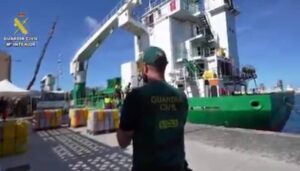
According to international reports, authorities intercepted a fishing vessel carrying an estimated 40 tonnes of cocaine with a street value reportedly approaching one billion dollars. The seizure, which reportedly occurred in international waters rather than Sierra Leonean territorial waters, has nevertheless drawn Sierra Leone into the spotlight because of claims that the vessel and company involved may have links to the country.
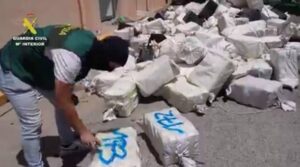
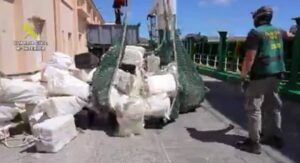


What is causing even greater concern among citizens is the silence from state authorities. Since news of the seizure emerged, there has been no detailed public statement from the government, law enforcement agencies, or other state institutions clarifying Sierra Leone’s position or outlining whether investigations are underway.

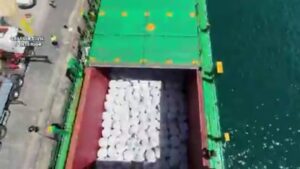


Observers argue that the absence of official communication has created room for speculation, suspicion, and growing public unease. Across social media and public discussions, many Sierra Leoneans are questioning why authorities have not addressed the matter directly, especially given the scale of international attention the incident has attracted.



More than 10,000 news platforms worldwide reportedly carried stories on the seizure, with several mentioning Sierra Leone in connection with the vessel. Citizens at home and abroad say they are increasingly being asked uncomfortable questions about whether the country is becoming associated with international drug trafficking networks.
Critics insist that no one expects the government to accept responsibility for actions taking place in international waters or in another country’s jurisdiction.




However, they argue that responsible governance demands at least a preliminary statement acknowledging the reports and assuring the public that the matter is being investigated.
Many believe a simple official response could have eased public anxiety. A statement indicating that authorities are aware of the reports, cooperating with international investigators, and committed to informing the public in due course would have demonstrated accountability and reassured citizens that Sierra Leone is taking the allegations seriously.




Instead, the continued silence has fueled accusations of possible collusion or complicity, claims that opposition voices and concerned citizens say could have been avoided through transparent communication. Some commentators argue that the government’s failure to respond promptly risks creating the impression that authorities are either unwilling or unable to confront organized criminal activity linked to the country.


Analysts warn that Sierra Leone cannot afford to gain a reputation as a safe transit point for narcotics trafficking.
West Africa has increasingly been identified by international security agencies as a strategic corridor for cocaine moving from South America to lucrative markets in Europe and North America.
Drug trafficking experts note that traffickers often use offshore operations and international waters to transfer narcotics between vessels without docking at official ports. Fishing boats and other commercial vessels are sometimes used in transshipment operations designed to evade detection.




The economics of the trade remain highly attractive to criminal networks. A kilogram of cocaine purchased in South America for a few thousand dollars can multiply significantly in value by the time it reaches Europe or the United States, where demand remains high and street prices are far greater.



International governments and security agencies continue to invest heavily in combating the global narcotics trade, but experts acknowledge that traffickers constantly adapt their methods and routes. This has made international cooperation and swift information-sharing essential in tackling transnational drug crimes.
For many Sierra Leoneans, the central issue is not merely the seizure itself but the need for transparency and public accountability. Citizens say they expect authorities to protect the country’s reputation and reassure the public whenever Sierra Leone’s name becomes associated with serious international criminal allegations.
As pressure mounts, many are now calling on the government and security agencies to provide clarity on whether any Sierra Leonean individuals or companies are under investigation and what steps are being taken to ensure the country does not become linked to global narcotics trafficking networks.