
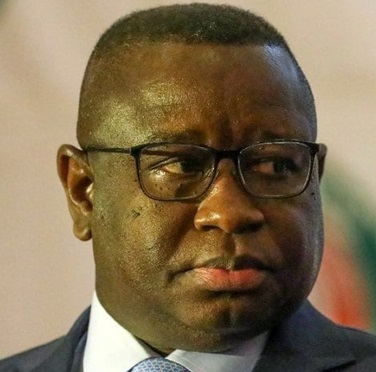
The legacy of Sierra Leone’s National Provisional Ruling Council (NPRC) remains one of blood, fear, and unanswered questions. Among its most notorious crimes was the December 29, 1992 massacre, in which 29 Sierra Leoneans — including Inspector General of Police Bambay Kamara, Colonel Kahota Dumbuya, and cultural icon Salami Coker — were executed. Accused of plotting a coup, these men and women were denied trials, evidence, or appeals. Many were tortured, executed at close range, and buried in a mass grave at No. 2 River in Freetown.
The ruling council responsible for these atrocities included Valentine Strasser, Solomon Musa, Tom Nyuma, Komba Mondeh, Charles Mbayo, and Julius Maada Bio, then Principal Liaison Officer. While U.S. authorities have now targeted Charles Mbayo for his role in these crimes, President Bio and other senior NPRC figures continue to enjoy immunity, acclaim, and positions of power.
Why Mbayo, and Not Bio?
The United States justifies Mbayo’s deportation on the grounds that it will not allow its soil to shelter human rights violators. But the question remains: if Mbayo’s senior role in the NPRC is sufficient grounds for removal, why is Bio, part of the same council that orchestrated mass executions, left untouched?
The answer is starkly political. As sitting President, Bio enjoys immunity, political legitimacy, and strategic importance to Western governments. Mbayo, stripped of influence and political protection, was an easier target for justice enforcement.
Selective Justice Then and Now:
The case of Mbayo underscores a troubling truth about international justice: power shields, while powerlessness punishes. Mbayo is removed; Bio, a senior NPRC figure tied to extrajudicial killings, sits comfortably in State House. Other NPRC members live unchallenged, their roles in history conveniently blurred.
This selective enforcement undermines the very essence of accountability. Justice, it seems, is no longer about truth or fairness — it is about influence, status, and political convenience.
The Ongoing Legacy of State Violence under Bio:
Since 2018, Sierra Leoneans have witnessed a chilling continuation of this pattern. Under President Bio, security forces have killed civilians, protesters, and opposition figures with alarming regularity. Reports highlight excessive force against peaceful demonstrations, extrajudicial arrests, and the systematic targeting of ordinary citizens daring to voice dissent. The echoes of 1992 reverberate today, reminding the nation that impunity endures when power remains unchecked.
Why Bio Must Be Held Accountable:
Bio has often claimed that his later role in returning Sierra Leone to civilian rule in 1996 absolves him of past misdeeds. Yet participation in a junta that sanctioned mass executions cannot be undone by subsequent political actions. Bio was not a passive observer; he was a senior figure in the council that allowed the December 29 killings to occur. Today, his administration’s ongoing human rights abuses reveal a troubling continuity of state-sanctioned violence.
If Mbayo can be labeled a human rights violator, then Bio — and other powerful figures — must also face scrutiny. Justice must be impartial and universal, applied equally to both the powerless and the powerful.
The Way Forward: Truth, Justice, and Reconciliation:
Sierra Leone has undergone a Truth and Reconciliation Commission (TRC) process following its civil war. Yet the December 1992 extrajudicial killings remain unresolved. Genuine healing and justice require: establishing an independent inquiry into the NPRC era killings, ensuring that Bio and surviving NPRC leaders answer questions — symbolically or directly relating to their stewardship, and recognizing victims with a National Day of Remembrance and compensation to their families, engaging international partners to prevent selective enforcement of justice.
ICE’s removal of Charles Mbayo is not in itself unjust. Those responsible for extrajudicial killings must face accountability. However, justice cannot be selective. The NPRC’s December 29, 1992 atrocities were collective crimes, not the acts of a single individual.
If Sierra Leone and the international community are genuinely committed to justice, accountability must reach all perpetrators — including those in power today. Until then, the ghosts of 1992 will continue to haunt the nation, and the ongoing extrajudicial killings under Bio’s administration will remain a stain on Sierra Leone’s democracy.