

By Alie Badara in Bo
On Monday 22 , September 2025, in a stark revelation exposing some of the cracks in Sierra Leone’s educational landscape, government- Contracted supplies of rice and essential condiments for boarding secondary schools remain undelivered, plunging almost all of these learning institutions into operational chaos.
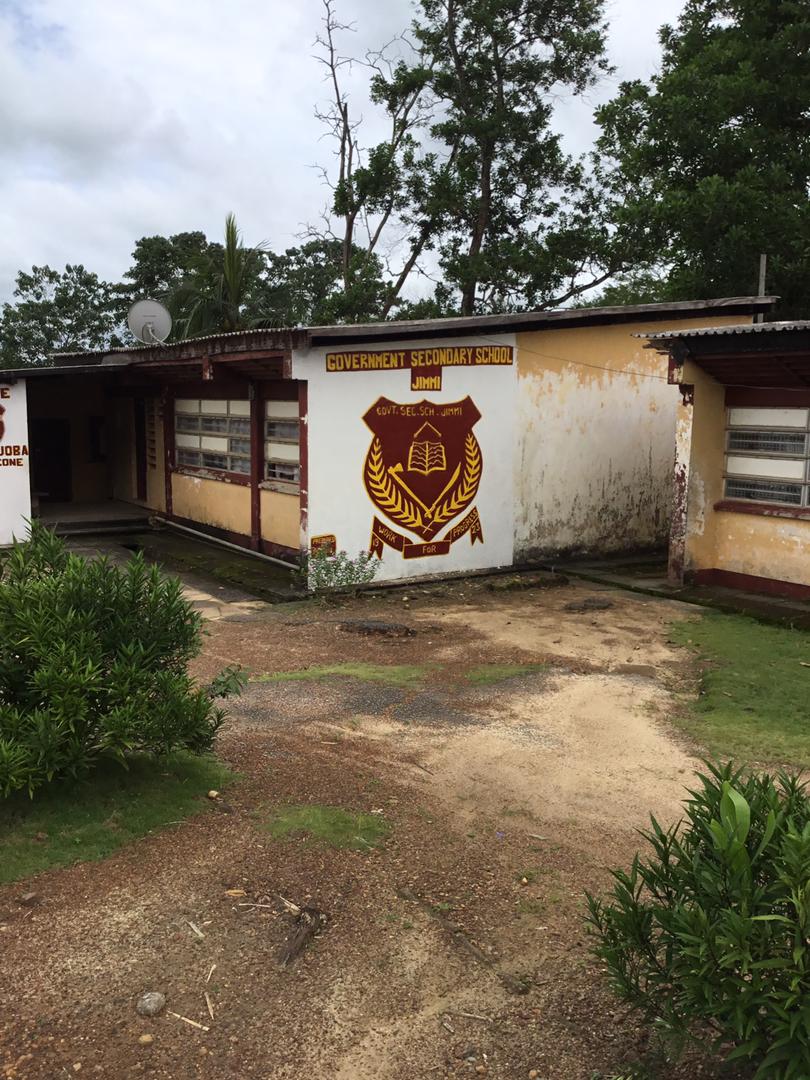
Exclusive interviews with Heads of the affected schools reveal that nearly all of the Government Boarding Schools including: Jimmy Government Secondary School, Bo Government Secondary School, Kenema Government Secondary School, the Magburaka Government Boy’s Secondary School, and the Koyeima Government Secondary School, are yet to receive their allocated quota of subsidies.
This shortfall has triggered a systemic breakdown, with food scarcity halting normal operations and casting uncertainty over the welfare of the students. The crisis comes despite a contract awarded to reliable contractors tasked with procuring food and related condiments for the boarding schools nationwide.
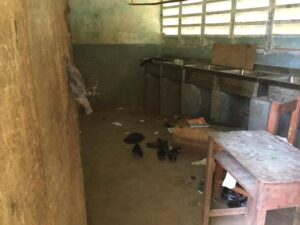
Principals from the highlighted schools report a collective frustration: promised deliveries have not materialized, leaving pantries bare and forcing administrators into desperate improvisation.
The lack of food is not just an inconvenience it’s a barrier to learning, one head confided, speaking on condition of anonymity due to ongoing negotiations with authorities.
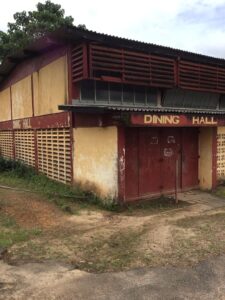
On Sunday, September 21, 2025, this reporter visited Jimmy Government Secondary School in the Bargbor Chiefdom of Bo District to investigate swirling rumors amplified on social media platforms and local community radio stations across the Southern Region.
A rumor about the possible closures of Jimmy and Koyeima Government Secondary Schools due to the apparent food shortage has sent tremors in the spines of parents for alternatives schools.
On-site assessments of the situation confirmed the grim reality: no firm reopening dates are set, as both schools grapple with intertwined challenges of hunger and infrastructural neglect.
At Jimmy Government Secondary School, the principal outlined a litany of woes beyond mere provisioning.
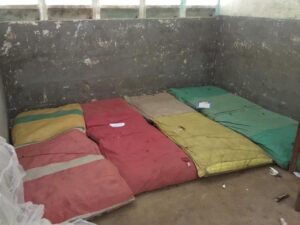
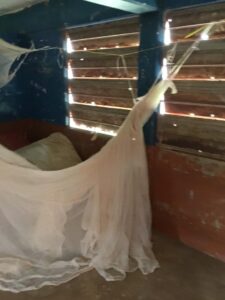
Our dormitories are in ruins-leaking roofs, crumbling walls, and no beddings for the students, he explained during a candid discussion.
The campus, nestled in a snake-infested rural enclave, poses immediate safety risks. Students interviewed on-site described sleepless nights on the floor and a pervasive fear of wildlife intrusions.
One from three pupils, voice trembling, shared. It’s like living in a cage. We came to learn not to survive. The situation evoked a hunting parallel to an African prison, as one observer put it, with bare essentials stripped away and infrastructure decaying under years of underinvestment.
In a poignant encounter, a father arrived unannounced with his son eager to enroll him for the new term.
A teacher intercepted a parent and his boy at the gate as they were ready to settle as Schools have long reopens, this was what one of the teacher said to a parent who came in to accompany his boy ( THERE’S NO FOOD SUPPLY AT THE MOMENT ).
You’ll have to take him back home , We’ll announce when it’s safe to return. The man’s face fell, a microcosm of the broader parental anguish rippling through communities.
Koyeima Government Secondary School, equally marooned in hard to reach terrain, mirrors these struggles but with acute staffing deficits compounding the food crisis.
These principals are single handedly shouldering the administrative burdens amid a skeleton crew. Teachers are fleeing because of the poor road networks it’s impossible to commute or even settle here, he lamented.
The isolation not only deters educators but exacerbates isolation for students reliant on boarding for access to education.
An anonymous retired educator, drawing from decades in the field, offered a pragmatic fix: if the government introduced separate allowances for rural teachers higher than urban ones, we’d see talent flowing to these posts.
It’s about incentives, not just appeals. His words underscore a deeper inequity: urban schools thrive while rural ones languish, widening the educational chasm.
Parents and caregivers, from Bo to Koyeima, are voicing mounting alarm, When will our children eat and learn ? demanded one mother from the Bargbor community, echoing calls on local airwaves.
Social media threads buzz with hashtags like #feedOurSchools and #ReopenNow, amplifying demands for transparency on contract fulfillment.
The reporter extended visits to principals and regional authorities in the Southern province, but responses were uniform: separate yet symbiotic crises rooted in delayed payments to contractors.
As of September 22, 2025, no timeline for resolution has emerged, leaving reopening prospects in Limbo.
The communities, parents, and caregivers of Sierra Leone are united in their plea to the government in order to expedite the settlement of contractor dues to honor the agreement and restore these vital learning hub
In a nation where education is the great equalizer, the hunger in these halls is not just a logistical lapse it’s a betrayal of tomorrow’s promise. Until food trucks roll in and beds are mended, the bells of Jimmy and Koyeima will ring hallow.