
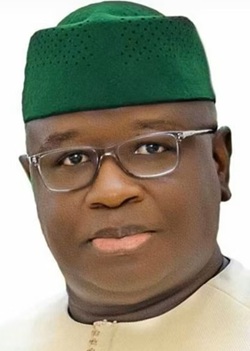
What is more disturbing presently in Sierra Leone is the growing public perception that those who should be fighting this menace—(drugs trafficking and abuse) have turned themselves in to full culprits. The ruling Sierra Leone People’s Party (SLPP) government—may, in fact, be enabling or even profiting from drugs trade now than any other government before it.
Over the past few years, Sierra Leone has transformed into a breeding ground for drug trafficking networks, with several government officials allegedly linked to illicit drug activities. From the seizure of containers filled with narcotics at the seaport to the arrests of individuals with close political connections, the lines between law enforcement and drug trade have become dangerously blurred. This has left many Sierra Leoneans asking one haunting question: Is the SLPP government truly fighting drugs—or trading them?
A Nation Besieged by Drugs:
Walk through the streets of Freetown, Makeni, Kenema, or Bo, and you’ll see the devastating human toll of the drug epidemic. Young men lie half-naked in gutters, hallucinating under the influence of Kush. Teenagers roam aimlessly, their minds hijacked by the poisonous mixture of leaves, chemicals, and sedatives that has become their daily escape from hardship. Entire communities have been ravaged, and yet the government’s response remains weak, inconsistent, and disturbingly silent.
The so-called National Drug Control Strategy remains nothing more than a paper promise. Law enforcement agencies appear either underfunded or compromised. Drug dens operate openly, some allegedly protected by powerful figures. How can this happen in a nation that claims to be waging war on drugs?
Officials Caught, Yet No Accountability:
In recent times, whispers of scandal have grown louder as reports surface implicating certain government officials in drug-related offenses. From security operatives to senior administrative figures, names have emerged in connection with large drug consignments—yet accountability remains elusive. When arrests are made, investigations mysteriously fade. Cases vanish from public view.
Even more troubling are reports and photographs circulating of President Julius Maada Bio seen in the company of individuals known or suspected to be drug lords. Whether by coincidence or complicity, such associations erode public trust and fuel suspicions that the rot may extend to the highest offices of state. How can a government claim moral authority to combat drugs when its inner circle is tainted by such allegations?
The Cloudy Business of the Crisis:
Drug trafficking is not just a social problem—it is a billion-dollar business. And wherever there is profit, corruption follows. Sierra Leone’s porous borders, weak customs systems, and underpaid security forces make it an ideal transit point for international narcotics.
The recent arrests of foreign nationals at the Freetown International Airport with massive quantities of drugs have raised serious questions about how such operations could occur without insider collaboration. Many believe that these networks thrive only because they enjoy protection from within the government itself.
It is no secret that some senior officials flaunt unexplained wealth—luxury vehicles, new houses, lavish lifestyles—all inconsistent with their official salaries. Meanwhile, the same government pleads for international aid to fight youth addiction. Is this not hypocrisy of the highest order?
The President’s Silence Is Deafening:
President Bio’s administration has been quick to publicize achievements in education, agriculture, and infrastructure, but deafeningly silent on the drug menace destroying the nation’s youth. The Kush crisis has reached epidemic levels, yet there is no clear national emergency declaration, no sustained public health campaign; no specialized rehabilitation centers funded by the state.
The president’s silence, coupled with reports of government figures linked to the drug trade, sends a dangerous message: that the state either lacks the will or the integrity to confront this scourge. A government that truly values its people cannot stay indifferent while its youth are dying daily from addiction.
The Future of Sierra Leone Is at Risk:
The drug crisis is not merely a criminal or health issue—it is a national security threat. The majority of Kush users are young men between 15 and 30, the same demographic that forms the backbone of the nation’s workforce and future leadership. Like a whirlwind, as drug addiction spreads, so too it is accentuated by unemployment, crime, and social upheavals.
A nation whose youth are enslaved by drugs cannot progress. Sierra Leone’s future is literally being smoked away in makeshift dens and street corners while those in authority look the other way—or worse, partake in the profits.
A Call for Action and Accountability:
If Sierra Leone is to survive this epidemic, the government must demonstrate sincerity, not slogans. President Bio must lead from the front—by launching an independent national drug commission, empowering the judiciary to prosecute drug-linked officials without interference, and ensuring that no one, regardless of rank, is above the law.
The police and military must be cleansed of corrupt officers who collaborate with drug dealers. Border controls must be tightened, and customs systems digitized to prevent the trafficking of narcotics through official channels. Furthermore, rehabilitation centers should be established nationwide to help restore the countless lives already destroyed by addiction.
Sierra Leoneans deserve clarity. Are those in power protecting the people or protecting the trade? The evidence, though circumstantial, paints a disturbing picture of complicity and corruption at the heart of governance.
Until the SLPP government proves through decisive action that it is truly fighting the drug epidemic, the suspicion will remain that it is not fighting against the drug trade—but rather in it. And as long as this remains the case, Sierra Leone’s future—its youth, its hope, its destiny—will continue to rot under the shadow of greed and addiction.