
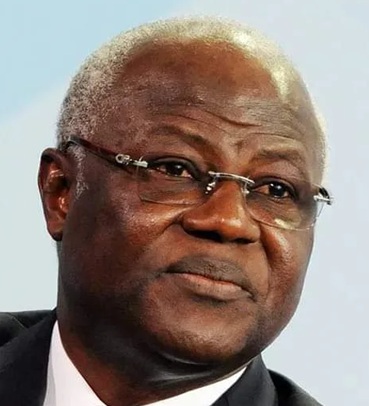
In the corridors of Sierra Leone’s political memory, Ernest Bai Koroma occupies a significant space. As the country’s former president, serving two terms from 2007 to 2018, his leadership was marked by infrastructure expansion, increased international engagement, and a calm hand during the Ebola crisis. Yet today, the same man once hailed as “Salone’s Peaceful President” remains thousands of miles away, in Nigeria, under what many now call “diplomatic exile.”
A question that refuses to die among Sierra Leoneans—Ataya base dwellers and political elites alike—is simple but loaded:
Why is Ernest Bai Koroma not enjoying his retirement and legacy in his own country?
What has he done to deserve this extended stay abroad?
And is this exile something else entirely?
A Statesman at a Distance:
Since 2023, following a controversial political crisis surrounding the general elections and an attempted coup later that year, former President Koroma has taken residence in Nigeria, reportedly under ECOWAS and AU protection. Officially, it’s been portrayed as a temporary arrangement, meant to de-escalate political tensions and promote national reconciliation. But how temporary is “temporary” when over a year has passed, and the former president is still abroad?
For many Sierra Leoneans, the symbolism is hard to miss. A man who led the country for over a decade, hailed by foreign partners for his peaceful transition of power in 2018, is now living quietly outside the very nation he helped stabilize. To some, it feels like an orchestrated effort to erase or rewrite his legacy; to others, it suggests unfinished political business behind the scenes.
The Love for Country: Undeniable:
One thing even his staunchest critics admit is Koroma’s visible love for Sierra Leone. He has never failed to speak of peace, unity, and democracy—even in the face of personal political setbacks and allegations. His post-presidency years were spent mediating peace in West Africa under ECOWAS, mentoring young political leaders, and calling for democratic reforms across the continent.
So, the idea that he would voluntarily abandon his homeland does not sit well with most observers. Ernest Bai Koroma was not just a president; he became, for many, a national symbol of post-war leadership. That he is now unable or perhaps unwilling to return home raises serious questions:
What has changed? What has gone wrong? The Weight of Allegations and the Trial of Legacy:
The answer may lie in the murky waters of political retribution and legal uncertainty. Following the 2018 power shift to the SLPP under President Julius Maada Bio, a Commission of Inquiry (COI) was launched to investigate the Koroma administration and several of his former ministers. The reports accused him and others of financial impropriety and governance failures, with recommendations for asset recovery and further legal action.
Although Koroma denied all allegations and criticized the inquiry process as politically motivated, the legal and political pressure continued to mount. Tensions escalated in late 2023 when the government linked certain APC operatives to an alleged coup attempt. While no evidence directly implicated the former president in criminal activity, his name was repeatedly floated in the political ether, leaving many to believe his continued presence in Sierra Leone might trigger further instability—or worse, legal targeting.
This has left him in a gray zone: not officially exiled, yet functionally sidelined; not convicted of any crime, yet stripped of the comfort and dignity usually accorded to a former head of state.
Has He Done Something So Terrible?
It’s worth asking—what exactly has Ernest Bai Koroma done to deserve this treatment? Was his presidency perfect? Certainly not. No government escapes criticism, and there were legitimate concerns during his tenure, especially around corruption, internal party democracy, and post-Ebola governance. But to suggest that these warrant a form of political exile or public erasure is, for many, a dangerous precedent in a fragile democracy.
In a country that prides itself on post-war reconciliation and institutional maturity, depriving a former president of his right to live freely and safely in his homeland sends the wrong signal—not just to citizens but to the world. Are we criminalizing leadership after every political transition? Are we building a culture of vendetta rather than accountability?
Posterity Is Watching:
In African politics, posterity often becomes the final judge. Legacies can be buried under temporary political storms, but truth has a way of resurfacing. The treatment of Ernest Bai Koroma will not be forgotten by history, nor will it be seen in isolation. It will reflect how Sierra Leone treats its past, and whether the country truly values peace and national cohesion over partisanship and revenge.
If the intention is justice, let due process be pursued openly and fairly. If the intention is healing, then reconciliation must include space for even past leaders to return, be heard, and be respected for their service—even as they are held accountable where necessary.
Is it a Road to Redemption or to Self Ruin?
As Sierra Leone moves forward, it must decide what kind of political culture it wants to nurture. Leaders will come and go, but how a nation treats its former presidents speaks volumes about its maturity. Ernest Bai Koroma may be physically absent, but his shadow looms large—and his silence may be more powerful than any speech he could give.
Whether he returns in triumph, with dignity, or remains in quiet exile, posterity is indeed watching. And when it finally renders its verdict, it will not judge only Ernest Bai Koroma—it will judge all of us.