
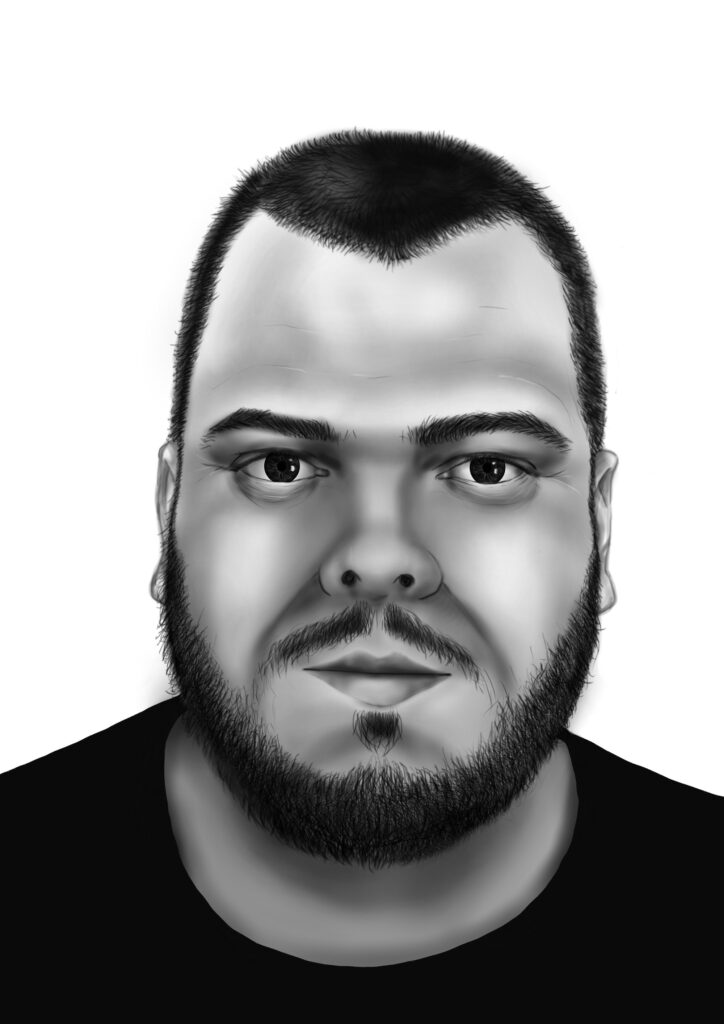
The Opposition Leader of the All People’s Congress (APC) in the Sixth Parliament, Hon. Abdul Kargbo, has alleged that Dutch drug fugitive, Jos Leijdekkers remains in Sierra Leone and is being protected by elements within the country’s state security architecture, intensifying calls for greater transparency over the whereabouts of one of Europe’s most wanted criminals.
Hon. Kargbo made the allegation during an interview with the BBC, where he raised fresh concerns over what he described as the continued presence and apparent freedom of Leijdekkers in Sierra Leone, despite his international status and convictions for serious drug-related offences.
The allegation comes amid growing international scrutiny of Sierra Leone over claims that Leijdekkers, popularly known as “Bolle Jos,” has established a base in the country while evading law enforcement authorities in Europe.
Leijdekkers was sentenced in absentia by a Dutch court to 24 years in prison for offences including large-scale cocaine trafficking and ordering a contract killing. He has also received prison sentences in Belgium in connection with cocaine-trafficking cases. International authorities have continued efforts to locate and bring him to justice.
Hon. Kargbo’s latest allegation adds a political dimension to an issue that has already generated considerable diplomatic and security concerns for Sierra Leone.
The Opposition Leader has repeatedly challenged the Government of Sierra Leone to explain why Leijdekkers has allegedly been able to remain in the country for an extended period despite international efforts to apprehend him.
In May, Hon. Kargbo wrote an open letter to President Julius Maada Bio expressing concern over what he described as Sierra Leone’s growing links to international narcotics-trafficking networks. He specifically cited the continued presence of Leijdekkers and warned that the country risked acquiring a reputation as a safe haven for international drug traffickers.
His concerns gained further prominence following the seizure by Spanish authorities of a vessel carrying more than 30 tonnes of cocaine after it had departed from Freetown.
According to an investigation by the Organized Crime and Corruption Reporting Project (OCCRP), Spanish law enforcement officials alleged that Leijdekkers was involved in organising the shipment. However, OCCRP also noted that Leijdekkers had not been charged in that case, an important distinction when reporting the allegation.
The Spanish operation has nevertheless intensified scrutiny of Sierra Leone’s ports, territorial waters and border-control systems.
For Hon. Kargbo, the issue goes beyond the presence of one fugitive. He has argued that allegations surrounding Leijdekkers, combined with international drug seizures involving vessels departing from Sierra Leone, raise questions about the effectiveness of the country’s security and intelligence institutions.
The Opposition Leader’s latest allegation that security agencies are protecting Leijdekkers is particularly serious because it directly implicates institutions responsible for safeguarding national security and enforcing the law.
If substantiated, such claims could raise fundamental questions about institutional accountability, political interference and Sierra Leone’s cooperation with international law-enforcement agencies.
However, the allegation remains a claim by the Opposition Leader and has not, based on the available public evidence, been independently established as fact.
Sierra Leonean authorities have previously maintained that the matter is being handled through due process and that the country remains willing to cooperate with international partners on legal matters. Government officials have also pointed to the absence of a formal extradition treaty between Sierra Leone and the Netherlands as part of the legal complexities surrounding any potential extradition.
The Government’s position has not prevented questions from continuing over whether Leijdekkers is currently in Sierra Leone and, if so, why he has not been apprehended.
International reports have previously placed him in the country. In January 2025, Sierra Leonean police said they had identified Leijdekkers in footage from a church service in Tihun, where he appeared seated close to members of President Bio’s family. Dutch authorities subsequently confirmed that they believed the fugitive was in Sierra Leone.
More recently, international reporting has continued to claim that Leijdekkers remains in Sierra Leone, while concerns have been raised about alleged connections between him and influential figures in the country. Those reports have been strongly contested or denied by members of the presidential family.
The controversy has also attracted attention from the Netherlands and European partners. In July 2026, the Financial Times reported that the Dutch Government was urging the European Union to consider stronger measures against Sierra Leone unless progress was made towards securing Leijdekkers’ extradition. Sierra Leone, for its part, has maintained that it is prepared to cooperate through appropriate legal channels.
For Hon. Kargbo, however, the central question is no longer simply whether Leijdekkers is wanted internationally. It is whether a fugitive convicted of major crimes can remain within Sierra Leone while allegedly enjoying protection that places him beyond the reach of law enforcement.
The Opposition Leader’s BBC disclosure is therefore likely to renew pressure on the Government to provide a clear account of Leijdekkers’ status, his alleged movements within Sierra Leone, and the actions being taken by security and law-enforcement agencies to enforce the law.
As international scrutiny intensifies, the issue presents a serious test for Sierra Leone’s commitment to combating organised crime, protecting its international reputation and demonstrating that no individual, regardless of wealth, connections or influence, is above the law.