
By Musa Paul Feika
Growing concerns over weak border and maritime security in Sierra Leone have once again drawn national attention to the country’s vulnerability to transnational crimes, including drug trafficking, smuggling, illegal fishing, and organized criminal networks operating across West Africa.
These concerns have been amplified by observations and warnings reportedly contained in a letter from the Leader of the Opposition in Parliament, Abdul Kargbo, addressed to President Julius Maada Bio.
The issues raised point to serious weaknesses in Sierra Leone’s port inspection systems, maritime surveillance structures, intelligence coordination, and overall border security management.
Sierra Leone’s strategic location along the Atlantic coastline places the country at a critical point within West Africa’s maritime corridor. While this geographical position creates economic opportunities through trade and shipping, it also exposes the nation to international criminal activities if security systems remain weak and under-resourced.
Security analysts have repeatedly warned that poorly monitored ports and porous borders can easily become entry points for narcotics trafficking, arms smuggling, human trafficking, and other illegal cross-border operations.
Concerns have also been raised over inadequate monitoring equipment, insufficient naval patrol capabilities, weak inter-agency coordination, and limited technological surveillance systems at key entry points.
Recent discussions in Parliament and public policy debates have increasingly focused on the need for stronger national security reforms. Reports indicate that Hon. Abdul Kargbo has consistently emphasized the importance of safeguarding Sierra Leone’s territorial waters and strengthening national defense infrastructure.
The Minority Leader has reportedly argued that national security should not be treated as a partisan issue, but rather as a collective responsibility requiring urgent government attention and bipartisan cooperation.
In several public engagements, he stressed the need for stronger institutional coordination to address emerging threats confronting the country.
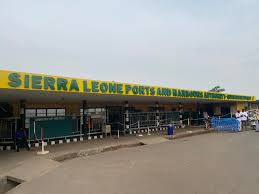
One of the major concerns revolves around Sierra Leone’s ports and maritime operations. Experts believe that weak inspection mechanisms at sea ports could allow illicit substances and contraband goods to enter or leave the country undetected. The lack of sophisticated cargo scanning systems and insufficient intelligence-led inspection procedures continue to create vulnerabilities within the maritime sector.
Equally troubling is the issue of limited maritime surveillance. Sierra Leone possesses vast territorial waters rich in marine resources, yet authorities often face challenges in effectively monitoring illegal activities occurring offshore. Illegal fishing vessels, unauthorized maritime movements, and suspicious cargo operations are frequently cited as indicators of inadequate surveillance capabilities. The country’s border security challenges are not limited to the sea.
Land borders also remain difficult to fully monitor due to logistical constraints, insufficient personnel, and inadequate technological support. In many rural crossing points, border movements reportedly occur with limited screening and documentation, raising fears over the ease with which criminal networks can exploit these weaknesses.
Intelligence gathering and information sharing among security institutions have also emerged as key concerns.
National security experts argue that without efficient intelligence coordination between immigration officers, customs officials, the police, the military and maritime authorities, criminal syndicates can continue to exploit institutional gaps.
The concerns surrounding national security have become even more significant amid increasing reports of international drug trafficking networks operating within the West African region. International observers have repeatedly identified West Africa as a major transit corridor for narcotics destined for Europe and other global markets.
In recent parliamentary and political discussions, Hon. Abdul Kargbo has called for improved governance, accountability, and stronger institutional oversight in addressing national challenges. He has also emphasized the importance of protecting national stability through effective state institutions and proactive security measures.
Many observers believe that Sierra Leone now faces an urgent need to modernize its maritime and border security architecture. This includes investing in advanced surveillance technology, strengthening naval patrol systems, improving intelligence collection, and enhancing training for border and port security personnel.
There are also increasing calls for greater collaboration with regional and international partners, including ECOWAS and other security institutions, to improve information sharing and joint operations against transnational criminal activities. Hon. Abdul Kargbo has previously highlighted the importance of regional cooperation and external support in addressing national security challenges confronting Sierra Leone.
As Sierra Leone continues to position itself as a destination for investment and economic growth, experts warn that national security weaknesses could undermine investor confidence and threaten long-term development goals if left unaddressed.
Eventually, strengthening border protection, maritime surveillance, intelligence coordination, and port inspection systems will remain critical to safeguarding Sierra Leone’s sovereignty, protecting its citizens, and preserving national stability in an increasingly complex global security environment.