
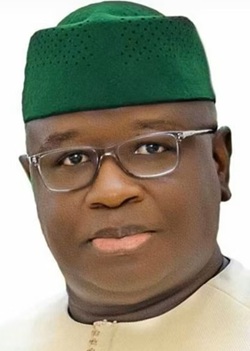
Whether President Julius Maada Bio will voluntarily step down before his term officially ends in 2028 has been one of the most crucial topics on the lips of Sierra Leoneans at home and abroad.
Since his election in 2018, Bio has positioned himself as a leader committed to change—pledging reforms in education, healthcare, agriculture, and governance. Yet many Sierra Leoneans argue these promises remain largely unfulfilled. Economic hardships have deepened, with inflation and joblessness hitting the youth hardest. The dream of prosperity seems increasingly elusive as everyday citizens grapple with the harsh realities of hunger, poverty and deprivation.
Moreover, corruption allegations continue to tarnish the administration’s credibility. Government institutions are frequently accused of mismanagement and nepotism, further eroding public trust. The disconnect between government rhetoric and the lived experiences of the people fuels growing impatience and unrest.
In towns and cities, voices calling for accountability and change are growing louder. Protests, social media campaigns, and public discussions reflect a collective frustration that the current leadership is failing to deliver. This groundswell of dissatisfaction is pressing Bio to reconsider his political future.
At the heart of any democracy is the principle that leaders serve at the pleasure of the people. President Bio’s rise from military ruler to democratically elected head of state marked a significant personal transformation and set expectations for inclusive governance and responsiveness.
Stepping down before the end of his mandate, many contend, would be a profound demonstration of democratic maturity and humility. It would show that Bio is willing to listen to the people’s appeals, prioritizing national interest over personal ambition. This decision could earn him respect not only at home but also on the international stage, reaffirming his commitment to democratic values.
Such an act would not diminish his legacy; rather, it could elevate him as a rare example in a region where many leaders cling to power despite mounting public disapproval. By voluntarily exiting, Bio would send a powerful message that leadership is a trust — not a trophy to be hoarded.
Currently, President Bio serves as the Chairman of the Economic Community of West African States (ECOWAS), a position that underscores his influence beyond Sierra Leone’s borders. This role demands a leader with credibility, vision, and the capacity to foster regional integration and stability.
However, critics warn that failing to solve Sierra Leone’s domestic challenges undermines Bio’s effectiveness and reputation as ECOWAS chair. If Sierra Leone continues to struggle under his leadership, it could reflect poorly on his stewardship of the regional bloc and weaken ECOWAS’s ability to project authority and unity.
Therefore, some analysts suggest that stepping down from the presidency would allow Bio to focus fully on his regional duties—or gracefully make way for a successor better equipped to tackle Sierra Leone’s domestic crises. Either path could safeguard his reputation and the bloc’s credibility.
Sierra Leone is blessed with many talented individuals—entrepreneurs, technocrats, civil society leaders—ready to steer the country toward sustainable development. By stepping aside, Bio could open the political space to fresh voices and new ideas, injecting much-needed energy and innovation into national governance.
Such a transition would not only reinvigorate the democratic process but also restore hope among citizens disillusioned by years of unmet promises. It would demonstrate faith in the country’s institutions and a willingness to embrace change for the common good.
While voluntary resignation would be a noble gesture, it is also possible that mounting legal and political pressures could compel Bio to step down before 2028. Sierra Leone’s electoral justice system, though evolving, has begun asserting its independence more robustly, and allegations of electoral irregularities or governance failures could trigger judicial interventions.
It is no gainsaying therefore that should the courts find cause to challenge the legitimacy of the current administration or rule against the government in key disputes, Bio’s presidency is bound to face serious jeopardy. The growing activism of opposition parties, civil society, and international observers further intensifies scrutiny on electoral fairness and governance standards.
Such dynamics raise the prospect that Bio might be “forced” to relinquish power—not by choice, but by constitutional and legal processes responding to public demand for accountability.
President Julius Maada Bio stands at a defining moment in his political career and in Sierra Leone’s history. Will he heed the rising calls for change and step down to preserve his democratic legacy? Or will he cling to power amidst mounting dissatisfaction, risking further instability and alienation?
Stepping down voluntarily would not be a sign of weakness, but an act of statesmanship that could unite a fractured nation and inspire confidence in its democratic future. It would allow new leaders, ready and capable, to guide Sierra Leone toward addressing its critical challenges of hunger, poverty, unemployment, and corruption.
Alternatively, resisting change could deepen divisions and undermine both his standing and Sierra Leone’s prospects.
The future of Sierra Leone hinges not just on who holds power, but on how that power is exercised and transferred. President Bio has an opportunity to cement his place in history—not just as a leader who sought change, but as one who respected the will of his people and acted accordingly.
Whether by choice or circumstance, stepping down before 2028 could be the boldest step Bio takes – one that reaffirms democratic principles, restores public trust, and opens the door to a more hopeful Sierra Leone.
In the end, the question remains: Will President Bio answer the nation’s cry for change, or will the forces of justice and popular will compel his exit? Sierra Leone awaits that critical decision.