
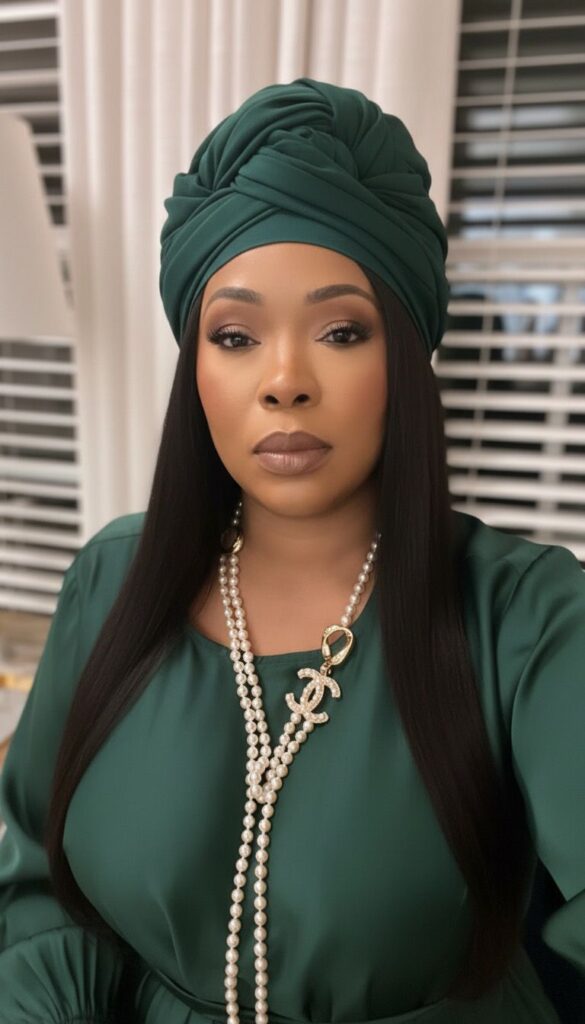
By: Lucy Baindu Koroma
Recent remarks by Dr. Sylvia Olayinka Blyden in an interview with Truth Media have reignited a vital national conversation about Sierra Leone’s political culture. At the heart of this debate lies a fundamental question: How do we reconcile personal loyalty, friendship, and party allegiance with the broader demands of accountability and the nation’s long-term democratic health?
When Dr. Blyden was asked whether she would support First Lady Fatima Maada Bio should she run for president in 2028, the response was nervous laughter. This reaction revealed much about our political psyche—an unspoken acknowledgment of the difficulty in choosing between loyalty to friends and party, and the duty to uphold principles and national interests.
The Layers of the Question:
The question’s complexity is reflected in three key areas: firstly, the constitutional and party considerations. Dr. Blyden is a member of the APC, a party with its own processes and democratic structures. Expecting her to abandon her political home for personal reasons overlooks the reality that political parties are ideological entities with established pathways for leadership selection. Loyalty to a party, especially when it operates within democratic norms, is a legitimate and vital aspect of political engagement.
Secondly, the timing of a potential 2028 candidature raises broader concerns. The idea of a First Lady transitioning directly from her role to the presidency, immediately after her husband’s term, challenges the principles of democratic consolidation. Such a move could reinforce the perception of political dynasties and undermine efforts to develop institutional maturity. It risks positioning power as a family inheritance rather than an earned trust through democratic competition.
Thirdly, the friendship paradox challenges the assumption that genuine friendship requires unwavering political support. True friendship often demands honesty and the courage to speak difficult truths, even when it is uncomfortable or risky.
Assessing the First Lady’s Record:
In evaluating her contributions, it’s important to strike a balanced perspective. The First Lady has been a prominent advocate for women’s rights, notably through her “Hands Off Our Girls” campaign, addressing harmful cultural practices. Her visibility has elevated Sierra Leone’s profile internationally, opening diplomatic and economic opportunities.
However, questions about transparency, the centralization of advocacy efforts, and whether programs reach the most vulnerable remain valid. A mature political discourse must recognize genuine achievements while also allowing space for constructive critique.
The debate about whether the First Lady should run in 2028 must be rooted in principles, not personalities. Sierra Leone’s democratic journey has been fragile. The civil war (1991-2002) was fueled by grievances over exclusion, corruption, and concentration of power among elites. While progress has been made, the country remains a young democracy that needs stronger institutions, not just charismatic leaders.
Allowing a transition based solely on family ties risks setting a dangerous precedent—reinforcing the idea that power can be inherited, not earned. Such a shift could undermine public trust and weaken democratic culture. The role of opposition First Ladies is different from that of presidential candidates; respecting the current role and influence of the First Lady might preserve her impact better than entering the competitive arena of elections.
That said, internal party processes should determine candidacies. If the SLPP’s democratic mechanisms nominate her, it’s their lawful right. The focus should be on ensuring transparency and fairness in such decisions, rather than outright opposition.
Loyalty: A Continental Challenge:
African political culture often equates loyalty with unquestioning support. Dissent or criticism is branded disloyalty, which hampers governance and accountability. This culture of absolute loyalty stems from traditional governance practices where questioning authority was taboo, and colonial systems that criminalized dissent. Post-independence, many nations, including Sierra Leone, reinforced these patterns.
The civil war demonstrated the dangers of suppressing grievances. When legitimate concerns are labeled disloyalty, and accountability is replaced with sycophancy, the system becomes unstable—culminating in violence and loss of trust.
Dr. Blyden’s political journey exemplifies a commitment to internal dialogue before public critique. She reportedly attempts private engagement with leaders, raising concerns and offering advice. Only when these channels fail does she go public—a strategy aligned with good governance principles.
Yet, this approach has cost her. She has faced accusations of disloyalty and has been politically isolated at times. The critical question is whether she is being penalized for doing what many advocate—holding power to account—regardless of party lines. Or is the political environment so tribal that only criticism of the “other side” is tolerated?
The Accountability Gap:
A troubling pattern exists within both major parties. Policy mistakes, corruption, and governance failures often surface only after scandals erupt publicly. This suggests that inner circles either avoid confronting leaders or are complicit in silence. Cultural barriers exacerbate this—advisers often come from ethnic, regional, or family networks, making challenging authority risky and socially costly.
Material incentives further discourage honest counsel. Close proximity to power can mean access to contracts, social prestige, and economic benefits, creating perverse incentives to stay silent.
Lessons from Sierra Leone’s Civil War:
The civil war underscored the catastrophic consequences of leadership failure and unchecked loyalty. Under Siaka Stevens and Joseph Saidu Momoh, decades of corruption and repression led to a collapse of legitimacy, culminating in rebellion. Post-war efforts to reform have seen some progress, but many deep-rooted issues persist—ethnic polarization, weak institutions, and a culture that discourages questioning authority.
Moving Toward Constructive Accountability:
To foster a healthier political environment, Sierra Leone must embrace several reforms:
- Distinguish Criticism from Personal Attacks. Policy debates should be respectful and focused on solutions, not personal vilification.
- Strengthen Internal Party Democracy and State Institutions. Parties need transparent mechanisms for the selection of candidates and policy evaluation. State bodies like anti-corruption commissions and oversight agencies must be independent and empowered.
- Support Civil Society and Independent Voices. Journalists, activists, and academics are vital to ensuring genuine accountability.
- Redefine Loyalty. Loyalty should extend beyond blind support to honest engagement, raising concerns, and prioritizing national interests.
- Embrace Complexity. Recognize that Sierra Leone faces multifaceted challenges—poverty, ethnic tensions, external pressures and solutions that will require nuanced, collective efforts.
Conclusion: Building a Democratic Culture for the Future
The debate about the First Lady’s potential candidacy and questions of loyalty and accountability has highlighted a deeper need for cultural change, other than which, Sierra Leone risks continuing down a path of winner-takes-all politics, which breeds polarization and weak governance.
Alternatively, the country can foster a political culture where leaders can be held to account, where political parties value internal debates; the opposition is loyal to the country’s success, and criticisms are seen as patriotic. Countries like Ghana and Botswana demonstrate that such transitions are possible with strong leadership and engaged citizenship.
Ultimately, the question is: can Sierra Leone build a political culture that balances loyalty with accountability? Dr. Blyden’s laughter at the impossible question might be the most honest response—highlighting the absurdity of choosing between values that should coexist. The real challenge is creating a system where friendship, party, and patriotism all serve the nation’s best interests. Until then, cycles of unchallenged policies, corruption, and political tribalism will persist. Sierra Leone’s future depends on whether we love it enough to demand and build that better culture.