
Recent developments within the European Parliament should serve as a wake-up call for Sierra Leone. A letter dated June 5, 2026, addressed to senior European Union officials raises serious concerns about Sierra Leone’s alleged role as a transit point for cocaine destined for Europe and as a refuge for individuals wanted by European authorities.
Whether one agrees with every claim made in the document or not, the fact that such discussions are taking place at the highest levels of the European Union is deeply troubling and demands urgent national attention.
For a country striving to attract foreign investment, strengthen democratic governance, and improve the living standards of its citizens, this is not the kind of international spotlight Sierra Leone needs. The mere suggestion that development assistance could be suspended and sanctions considered should alarm every Sierra Leonean, regardless of political affiliation.
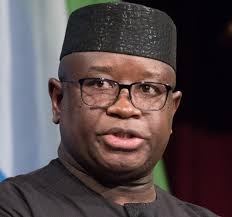
The administration of President Julius Maada Bio cannot afford to dismiss these concerns as external interference or political propaganda. The issues being raised go directly to the heart of governance, law enforcement, international cooperation, and national credibility.
Since assuming office in 2018, President Bio has repeatedly pledged to fight corruption, strengthen institutions, and improve Sierra Leone’s standing in the international community. While there have been achievements in areas such as education and international diplomacy, questions continue to arise regarding the effectiveness of efforts to combat organized crime, drug trafficking, and transnational criminal networks.
The European Parliament’s concerns are particularly damaging because they touch on matters that have long haunted West Africa. The region has increasingly been identified by international agencies as a strategic transit corridor for narcotics moving from Latin America to Europe. Sierra Leone, because of its geographical position and institutional vulnerabilities, remains exposed to these criminal activities.
What makes the allegations especially serious is the claim that individuals facing prosecution in European countries have allegedly found protection within Sierra Leone. If such perceptions continue to gain traction internationally, the consequences could be severe. Investor confidence may decline. Development partners may become more cautious. International financial institutions may increase scrutiny.
Most importantly, ordinary Sierra Leoneans could ultimately pay the price through reduced economic opportunities and diminished international support.
The Bio administration must therefore recognise that this is not simply a diplomatic issue; it is a governance issue.
Governments are judged not only by what they say but by what they do. Strong statements against drug trafficking mean little if enforcement agencies lack the resources, independence, or political backing to pursue criminal networks wherever their evidence lead. The fight against organized crime cannot succeed if it is selective or influenced by political considerations.
Equally concerning is the perception that Sierra Leone has been slow or reluctant to cooperate fully with international extradition requests involving serious criminal suspects. Whether these perceptions are entirely justified or not the government must provide transparency and clarity. Silence only fuels suspicion.
President Bio’s administration now faces a critical test. It must demonstrate beyond doubt that Sierra Leone is committed to international law, regional security, and the global fight against organized crime. This requires stronger border controls, enhanced intelligence cooperation, robust anti-money laundering measures, and visible action against those involved in criminal enterprises regardless of their political, economic, or social status.
The government should also engage openly with the concerns being expressed internationally rather than treating criticism as an attack on national sovereignty. Genuine partners often raise difficult questions because they expect accountability.
Sierra Leone has made tremendous sacrifices to rebuild its image following years of civil conflict and economic hardship. It would be a tragedy if that hard-earned progress were undermined by allegations that the country is becoming a safe haven for criminal networks.
History shows that nations rarely suffer reputational damage overnight. Instead, warning signs emerge gradually until they become impossible to ignore. The discussions currently taking place within the European Parliament represent one such warning sign.
President Bio and his government still have an opportunity to act decisively, restore confidence, and demonstrate that Sierra Leone remains committed to the rule of law and responsible international citizenship. Failure to do so risks not only diplomatic embarrassment but also long-term consequences for the nation’s economy, security, and global standing.
This is not a moment for denial. It is a moment for leadership, accountability, and urgent action. Sierra Leone’s future reputation may well depend on it.