


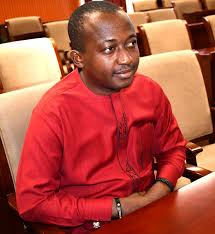
By Musa Paul Feika
The Opposition Chief Whip in Sierra Leone’s Sixth Parliament, Hon. Abdul Karim Kamara, has heat hard on President Julius Maada Bio’s administration, accusing the government of failing to deliver on its campaign promises.
Speaking on political accountability, the Kambia District lawmaker claimed that after two election cycles, the President has not even achieved 10 percent of his commitments to the people of Sierra Leone.
Hon. Kamara argued that the unfulfilled pledges from the 2018 and 2023 campaigns have left citizens grappling with economic hardship, high unemployment, inflation, and a worsening cost of living. He further blasted the government’s flagship Free Quality Education (FQE) program, describing it as poorly planned, riddled with corruption, and lacking proper implementation.
According to Hon. Kamara, the promises made during the 2018 and 2023 campaigns have remained largely unfulfilled, leaving citizens grappling with economic hardship, rising unemployment, and a worsening cost of living.
“President Bio has not even achieved 10% of his promises to the people,” Hon. Kamara asserted, stressing that Sierra Leoneans deserve better governance, accountability, and tangible development outcomes.
He further argued that the administration’s flagship programs, including Free Quality Education (FQE) have been marred by inadequate planning, corruption, and poor implementation.
However, in a swift response, the SLPP’s National Publicity Secretary, Moses Mambu, dismissed the APC Whip’s criticism, urging Sierra Leoneans to judge the government not by rushed political yardsticks, but by gradual and sustainable reforms.
Mambu admitted that Sierra Leone’s democratic and developmental journey has been “moving at a snail’s pace,” but emphasized that the country is on the right track towards stability, maturity, and lasting progress.
He pointed to several landmark achievements under President Bio’s leadership, notably:
Abolition of the Death Penalty: Sierra Leone became one of the few countries in Africa to permanently abolish capital punishment, a move widely commended by international human rights groups.
Repeal of Section V of Criminal Libel aspect of the Public Order Act of 1965 that criminalized journalism was scrapped, guaranteeing media freedom and protecting journalists from state persecution.
Strengthening of democratic institutions, Mambu argued that the administration has created a more enabling environment for democratic growth, human rights, and rule of law, which he said are cornerstones of national development.
“These are not minor reforms,” Mambu said, speaking via Samuel Wise Bangura’s Facebook platform.
“They are foundational steps towards building a stronger, free and more democratic Sierra Leone. The APC must acknowledge these gains instead of attempting to erase them from public discourse.”
The exchange reflects the growing political tension between the ruling SLPP and the opposition All People’s Congress (APC) as Sierra Leone navigates its democratic trajectory.
While critics highlight economic stagnation, inflation, and unmet campaign promises, the government insists that it is laying the groundwork for sustainable reforms.
Analysts say the debate over President Bio’s performance underscores the competing narratives shaping Sierra Leone’s political landscape, one that focused on promises yet to be delivered, and the other emphasizing structural reforms meant to secure long term progress.