


The country Sierra Leone in the start of the 1990s, from 1992 to be specific on to 2002, was ravaged by a brutal fratricidal war that made no sense either to the perpetrators nor to the multitude of its victims-physical and psychological. It was just an ungodly Armageddon!
With the help of the International Community and the apparent tiredness of even the perpetrators because of the level of their wanton carnage and destruction of the country in that senseless manner accepted peace and recovery in the hope of rebuilding a new Sierra Leone; a country for all. The war by the way it was operated with Small Boys and Girls recruited into the rank and file of the protagonist factions and introduced to drugs and other harmful substances, gave impetus for the level of carnage and mayhem this country faced; an unprecedented record in the whole of the African Continent. Drug use and drug abuse therefore is never a new phenomenon in the country. Its destruction has been immense; its victims were popularly called in the immediate post war era as “Junkies”(Junky Boys and Junky Girls) It was a way by Government then to find a way of restricting the flow and intake of these drugs and substances that culminated in the establishment of the National Drugs Agency by former President Alhaji Ahmad Tejan Kabbah. But what has this Agency done to remedy this drug nemesis is for every Sierra Leone to determine.
As a post war country that emerged from a sad experience and ready to move on with resilience in her recovery efforts, yet again the country, Sierra Leone is faced with a war that is not of guns and bombs and jets, but of drugs. It is silent but its toll on the country’s human resource capital is disastrous and nauseating.
The rebels and renegade soldiers during the actual physical war referred to as ‘sobels’ are now transformed into real civilians living amongst us as importers, manufacturers, distributors and retailers and with no sounds like from the guns, bombs and jets, have killed and continue to kill and render useless a substantial of the country’s youthful population.
This is a threat to every child; to every family. The whole of Sierra Leone is now a battlefield with parents and guardians, communities, concerned and worried as who the next victim of the silent war would be. The devastation and psychological destruction of this war is just unbearable. This drugs’ war, is a generational war, which if not nipped in the wall, will cause an unimaginable destruction to the state of Sierra Leone!
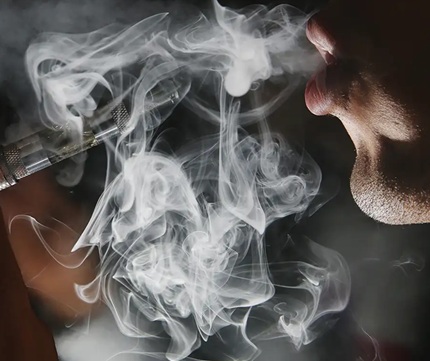
The war is against the hearts and minds of this current generation of the country’s future leaders, and the weapon are the smoky haze of “Kush” and the gulling intake of pills- tramadol and associated pills. In Freetown the capital, the intake of these substances is like a curse as it is affecting every facet of homes, schools, colleges, communities, the highs and the lows in society.
Even remote villages, drug abuse among youth in Sierra Leone is spiralling into a national catastrophe. The rising wave of substance abuse is fuelled by desperation, unemployment, peer pressure, poor governance, and a fractured socio-economic system. Drugs like Kush, tramadol, diazepam, alcohol, and locally brewed substances have become not just recreational outlets but dangerous coping mechanisms.
The Landscape of Drug Abuse in Sierra Leone:
Across the country, the smell of “Kush” — a potent, synthetic form of cannabis laced with unknown chemicals — hangs heavy in neighbourhoods like Kroo Bay, Lumley, and Waterloo. Youths lie on sidewalks, lost in hallucinations, incoherent speech, and zombie-like dazes. In ghettos and abandoned buildings, teenagers as young as 12 are seen sniffing glue, consuming “Jamba” (marijuana), swallowing handfuls of tramadol, and mixing cheap alcohol with codeine-laced cough syrups. The recent surge in locally manufactured brews like “Ogogoro” and “Jungle Juice” — a dangerously alcoholic concoction — has worsened the situation.
These substances are not just drugs; they are symptoms of a deeper societal rot — of poverty, disillusionment, and abandonment. Sierra Leone’s youth, making up over 60% of the population, are victims of a system that has failed to provide basic opportunities for survival and dignity.
Causes of Drug Abuse Among Sierra Leonean Youth:
Unemployment and Economic Despair: The overwhelming majority of youth in Sierra Leone are jobless. With limited access to education and few opportunities to earn a decent living, many turn to drugs as a form of escapism. The hopelessness created by economic stagnation pushes youth to seek temporary solace in psychoactive substances.
Peer Pressure and Urban Culture:
In the streets of Freetown and other urban centres, being “high” has become a badge of belonging. Ghetto culture glorifies drug use, portraying it as a rite of passage into adulthood or street credibility. With limited parental supervision and school dropouts increasing, peer groups become surrogate families — and drugs, the common language.
Weak Law Enforcement and Border Control:
Sierra Leone’s porous borders make it easy for drugs like tramadol, Kush, and other illegal substances to enter the country. The absence of strict regulatory frameworks and the corruption within law enforcement agencies have allowed drug trafficking to thrive. Often, drug lords operate with impunity while impoverished youth serve as both users and dealers.
Trauma, Mental Health and Lack of Support Systems:
Many young people in Sierra Leone suffer from untreated trauma — from sexual abuse, domestic violence, street violence, or the residual effects of war and poverty. Without access to mental health services, drugs become their only form of self-medication.
Cultural Acceptance of Alcohol and Substance Use:
In many communities, alcohol is consumed openly, even at ceremonies attended by minors. This normalizes substance abuse. Moreover, local brews are often unregulated and readily available, even cheaper than water in some instances.
Physical and Mental Health Deterioration:
Drugs like tramadol and Kush severely affect the brain and nervous system. Youth under the influence are often seen with involuntary body tremors, excessive drooling, slurred speech, and in worst cases, psychotic breaks and death. Kush users, in particular, exhibit zombie-like behaviour, with long-term exposure leading to irreversible brain damage.
Increase in Crime and Violence:
Drug addiction often leads to criminal behaviour, as addicts steal, rob, or commit violent acts to feed their dependency. Communities in Freetown, Bo, Kenema, and Makeni have reported increased cases of theft, gang violence, and even murder linked to drug abuse.
Educational Dropouts and Academic Failure:
Many school-going youths who fall into drug use abandon their education altogether. The ones who remain in school often struggle with concentration, discipline, and academic performance.
Social Disintegration and Homelessness:
Drug addiction isolates young people from their families and society. Many end up homeless, forming gangs and sleeping in ghettos or on the streets, where the cycle of addiction continues.
Loss of National Productivity and Future Leadership:
When the majority of a country’s youth population is enslaved to addiction, national development becomes a dream deferred. Sierra Leone cannot develop while its next generation of leaders is chemically incapacitated.
Recommendations and Solutions:
Public Awareness and Education Campaigns: The government and civil society should embark on aggressive, nation-wide awareness campaigns that educate the public on the dangers of drug abuse. Using media, schools, religious institutions, and community outreach, youth must be sensitized on the long-term consequences of drug dependency.
Strengthening Law Enforcement and Border Control: The importation and distribution of dangerous substances like tramadol and Kush must be tightly controlled. Border security and customs must be equipped and held accountable. Crackdowns on major drug dealers should replace the current focus on punishing low-level users.
Establishing Rehabilitation Centres and Mental Health Facilities: There are very few functional rehabilitation centers in Sierra Leone. The government must invest in modern rehab facilities that offer detoxification, therapy, and reintegration services. At the same time, trained mental health professionals must be deployed across the country to deal with trauma and addiction.
Creating Job Opportunities and Skills Training Programs: Youth empowerment is key to curbing drug abuse. Vocational training, micro-finance schemes, and startup support for youth entrepreneurs can reduce dependence on drugs by giving young people a sense of purpose and hope.
School-Based Interventions and Drug-Free Clubs: Schools should introduce anti-drug programs and encourage peer-led initiatives like drug-free clubs. Teachers and Counsellors should be trained to identify early signs of addiction and refer students to appropriate support.
Involving Religious and Community Leaders: Churches, mosques, and traditional leaders wield significant influence. Their voices can be instrumental in changing public attitudes and stigmas around drug addiction. They can also provide community-based counselling and monitoring.
Regulating Alcohol and Local Brews: Government should regulate the production and sale of local alcohol and street-brewed substances. Vendors selling to minors or producing toxic concoctions must face strict penalties.
Sierra Leone is on the brink of a social crisis fuelled by the flames of drug abuse. If immediate action is not taken, the future of the country will be bleak — defined not by innovation, leadership, and growth, but by a generation numbed into submission by Kush, tramadol, and alcohol. Drug abuse is no longer just a youth issue; it is a national emergency. It requires a united front — government, families, civil society, religious institutions, and the youth themselves — to fight this war before it consumes the nation’s most valuable resource: its young people.