
Sierra Leone, once known for its resilience and hope after years of civil war, is now being whispered about across international corridors for something far more sinister. The country has become a breeding ground for foreign drug lords, criminal networks, and fugitive financiers — many of whom are reportedly moving freely across borders with Sierra Leone’s diplomatic passports in their possession. A once a proud symbol of the nation’s sovereignty has now become a global commodity sold cheaply by corrupt officials for personal gains.
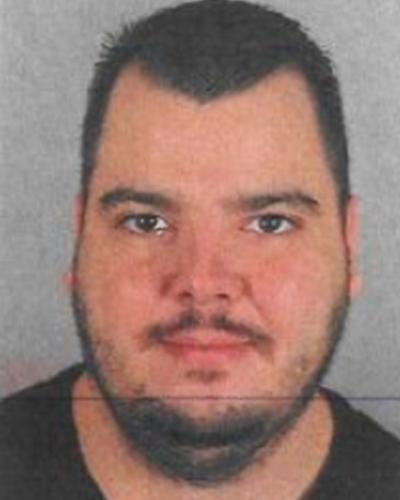
This disturbing reality has thrown Sierra Leone into a state of moral and diplomatic crisis. The scandal involving Abdullah Alp Üstün, a Turkish national widely known as Don Vito, has become the latest and perhaps the most alarming example of how deeply corruption has eaten into the fabric of Sierra Leone’s governance. Don Vito — accused of being a cocaine trafficker and key player in an international criminal network — was reportedly caught carrying a Sierra Leone diplomatic passport when he was extradited from Dubai to Turkey.
The revelation sent shockwaves through the international community. How did a foreign criminal, with no known connection to Sierra Leone, acquire one of the nation’s most sacred state documents? The answer, though shameful, is becoming clearer by the day — Sierra Leone’s diplomatic identity is up for sale to anyone with the right amount of money or political connection.
A Nation’s Identity in the Hands of Criminals:
Diplomatic passports are not just travel documents. They are symbols of trust and international respect. They grant holders privileges, immunity, and easier access to foreign countries. For Sierra Leone, a small developing nation struggling to build its image after decades of instability, maintaining the sanctity of such documents should be a matter of national pride and strict security.
Yet, under the current administration, these passports have become tools of corruption and patronage. Reports have emerged that Sierra Leone’s diplomatic passports have been found in the hands of foreigners — from Europe, Asia, and the Middle East — with no legitimate ties to the country. Many of these individuals are now being linked to drug trafficking, money laundering, and transnational crime.
Instead of representing respected diplomats or government officials, Sierra Leone’s diplomatic passport is now representing criminals. And this is terrifying.
A Scary Rise in Drug-Related Ties:
Over the past few years, Sierra Leone has quietly become a transit point for cocaine and other hard drugs moving from Latin America into Europe and Asia. International anti-narcotic agencies have flagged West Africa — including Sierra Leone — as a growing hub for drug smuggling. But the recent revelations of drug lords carrying Sierra Leonean diplomatic passports have exposed the depth of complicity within state institutions.
The Don Vito scandal is not an isolated case. There have been consistent reports of fake diplomatic appointments and passport sales involving foreign nationals who later use Sierra Leone’s name to evade arrest or move illicit funds. It is an open secret that some rogue officials within the Ministry of Foreign Affairs and Immigration Department are exploiting their positions to enrich themselves — at the cost of the country’s dignity and security.
Sierra Leone, once seen as a struggling but hopeful democracy, is now being perceived internationally as a safe haven for criminal elites — a place where, for the right price, one can buy protection, titles, and immunity.
The Bio Government under the spotlight:
Under President Julius Maada Bio’s leadership, the abuse of diplomatic privileges has grown into an international embarrassment. The President’s promise of a “New Direction” has instead paved the way for a directionless, compromised system, where corruption and deceit thrive.
It is virtually impossible for a diplomatic passport to be issued without top-level authorization. That means every fraudulent issuance points directly toward a failure of oversight at the very top of government. The question now haunting the nation is whether these passports were issued deliberately, sold for profit, or granted as political favors to foreign backers.
Either way, the implication is devastating: Sierra Leone’s diplomatic machinery is no longer credible, and its leadership appears indifferent to the danger this poses to both national and international security.
A Blow to Sierra Leone’s Global Image:
The consequences of this recklessness are dire. Sierra Leonean travelers now face increased scrutiny at international airports, often being subjected to humiliating searches because the country’s passport has lost its reputation for legitimacy. Diplomatic missions abroad are under suspicion. Some international partners are quietly reassessing their cooperation, worried that Sierra Leone’s diplomatic circles have been infiltrated by criminal networks.
If the government fails to act swiftly and transparently, the damage could extend even further — potentially affecting foreign investment, international aid, and travel privileges. As long as a country becomes associated with document fraud and drug cartels, rebuilding credibility takes decades.
Sierra Leoneans Deserve Better:
At the root of this tragedy is a deep betrayal of the people’s trust. The citizens of Sierra Leone have endured poverty, poor governance, and corruption for far too long. Yet, even in their hardship, they still hold pride in their national identity. Now, that identity has been tainted — sold to foreign criminals who have turned Sierra Leone into a symbol of global shame.
What message does this send to the world? That Sierra Leone is no longer a land of law and order, but a market for diplomatic privileges? That the government values money over morality and power over principle? The people deserve answers — and accountability.
The Way Forward: Reform or Ruin:
To save what is left of Sierra Leone’s credibility, urgent action is needed.
A full independent investigation must be launched to uncover how foreign nationals obtained Sierra Leone’s diplomatic passports.
Every diplomatic passport issued since 2018 should be audited and verified.
All illegal passports must be revoked immediately, and those involved prosecuted, no matter how powerful.
The Ministry of Foreign Affairs and the Immigration Department should be restructured and insulated from political influence.
Only through these steps can Sierra Leone begin to restore confidence in its institutions and reestablish its honor in the international community.
Sierra Leone stands at a dangerous crossroads. It can continue down this dark path, where drug lords and foreign criminals wear our diplomatic badge, or it can reclaim its dignity through truth and reform.
The current situation is not just scary — it is a national emergency. Sierra Leone must wake up before it loses everything: its reputation, its credibility, and its future.
Because when the world starts to see a country not as a sovereign state, but as a hub for drug lords and corrupt diplomats, recovery becomes almost impossible. Sierra Leone must act now — or forever be known as the land that sold its identity to the highest bidder.