


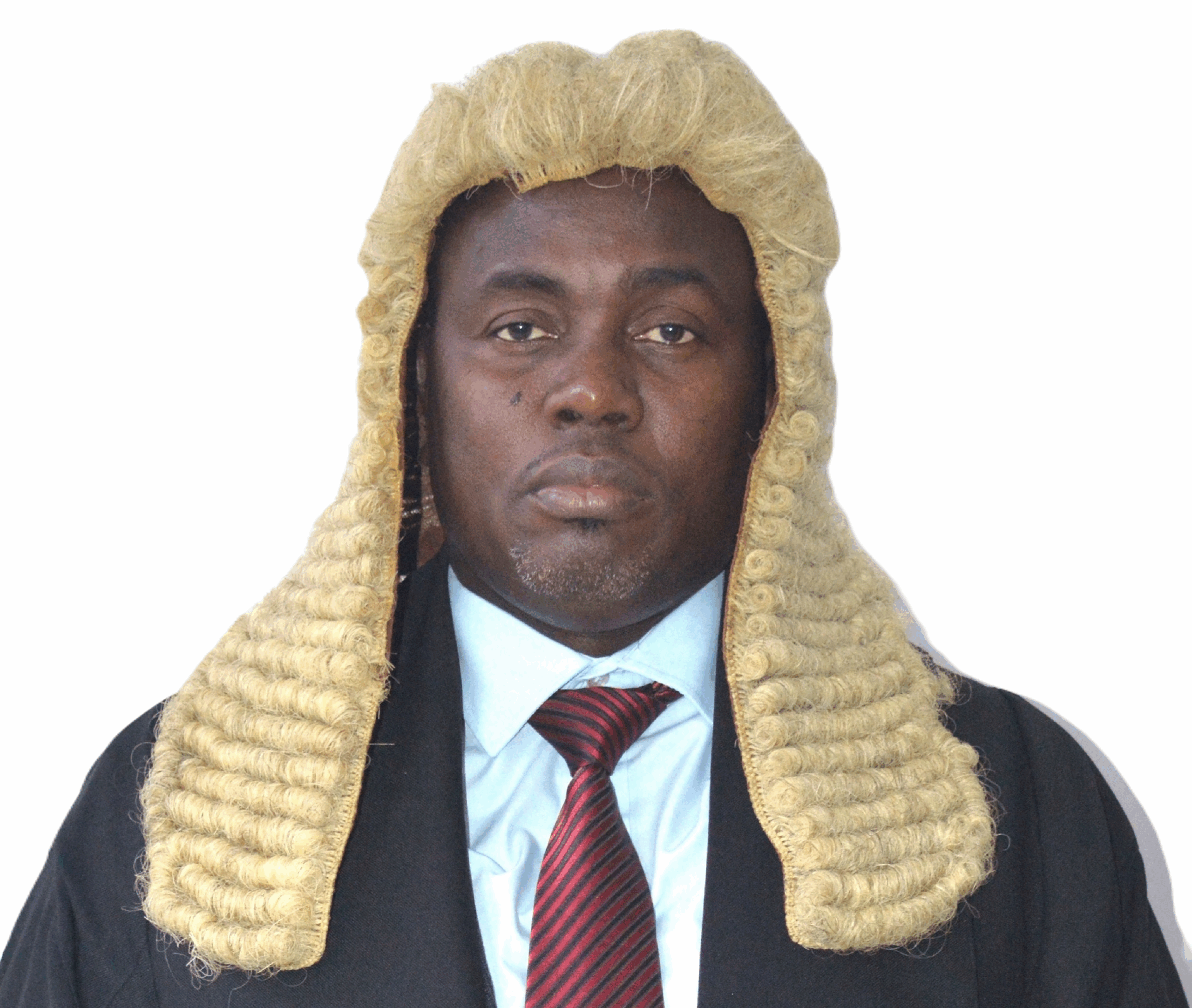
In what many citizens and observers have condemned as an “insensitive and defensive outburst,” the Speaker of the Sixth Parliament of Sierra Leone, Hon. Segepoh Solomon Thomas Esq., has come under intense public criticisms for remarks perceived as trivializing the country’s deepening drug menace and shielding the government from accountability.
During the debate on President Julius Maada Bio’s address to Parliament on Monday, 13th October, 2025 Speaker Thomas expressed dismay over what he described as “propaganda” by Sierra Leoneans portraying the country as a major haven for drug trafficking. The Speaker argued that citizens particularly politicians and social media users were “destroying the image of the nation” by amplifying reports of drug trafficking and abuse.
But, many Sierra Leoneans say the Speaker’s comments reflect a worrying level of denial and insensitivity at a time when the country is grappling with one of the worst drug epidemics in its history. The synthetic drug Kush continues to claim young lives across communities, shattering families and leaving a trail of despair, while law enforcement struggles to contain the growing menace.
Critics argue that Speaker Thomas’s comments show a lack of awareness or deliberate blindness to the grim realities on the ground. “The Speaker seems to be living in a different world. Our youth are dying every day, and instead of confronting the crisis, he is busy defending the government’s image,” one civil society activist remarked.
Turning blind eye to reality on the ground, majority of the citizens believe the Speaker’s attempt to downplay the crisis amounts to a betrayal of national trust. They argue that his remarks shield those in authority who should be held responsible for allowing drug trafficking networks to flourish in Sierra Leone.
“The Speaker cannot pretend not to know that Sierra Leone has become a transit hub for international drug cartels,” said an analyst who spoke to Nightwatch. “It’s not Sierra Leoneans exaggerating the problem people abroad are already talking about it. Our reputation is suffering because of inaction, not because of those exposing the truth.”
The analyst went further to question whether the Speaker’s dismissive stance is influenced by political loyalty. “Is it because his relatives are not directly affected that he finds it easy to cover up the crisis?” he asked pointedly.
There are also lingering public suspicions regarding the alleged presence of Dutch drug lord Jos Leijdekkers in Sierra Leone. Sources claim that Leijdekkers, who is wanted by Dutch authorities for large-scale cocaine trafficking, has been residing in the country under the auspices of influential political figures.
Critics have challenged Speaker Thomas to come clean on his knowledge of such allegations including reports linking Leijdekkers to individuals close to the presidency, such as Admire Bio, a niece of President Julius Maada Bio.
In his controversial remarks, Speaker Thomas questioned why Sierra Leoneans “present their country as the worst nation on earth,” arguing that crimes occur everywhere, even in developed countries like the United States. “Who has bewitched this nation?” he asked rhetorically, suggesting that citizens were too quick to highlight their country’s failures.
However, many observers see this as a deflection tactic. “It is precisely because we love Sierra Leone that we speak out. Silencing criticism doesn’t fix problems it only emboldens criminals. The Speaker’s priority should be accountability, not propaganda,” said one opposition MP.
Governance experts have also warned that comparing Sierra Leone’s situation to other nations misses the point. “The drug crisis here is not a normal law enforcement issue. It’s a national emergency destroying the country’s future generation. Any leader who trivializes it is out of touch with reality,” one political analyst explained. “
Perhaps most alarming were the Speaker’s comments suggesting that Sierra Leone should emulate Ghana’s approach to suppressing online content that “tarnishes” national image. He recounted an incident in which Ghanaian police allegedly smashed a woman’s phone for filming a fight, arguing that such measures prevent the spread of negative narratives.
According to him, Sierra Leone should adopt similar restrictions if it wants to attract investors.
These remarks have drawn sharp condemnation from free speech advocates and civil society organizations, who view them as a dangerous slide toward censorship and authoritarianism. “This is not patriotism it’s repression disguised as nationalism. If Parliament starts endorsing media control in the name of protecting the country’s image, we’re heading down a dark path,” an analyst noted.
Observers say Speaker Thomas’s comments highlight a growing disconnect between the political elite and ordinary Sierra Leoneans who are bearing the brunt of the drug epidemic. In many communities, young men and women hooked on Kush roam the streets like zombies in cosmetic shadows of their usual selves, while parents watch helplessly as the future of their children slips away.
“The suffering is real,” said a community youth leader in Freetown. “Families are collapsing, schools are losing students, and crime is on the rise. The Speaker should be leading a national conversation on solutions not telling us to stay quiet for the sake of image.”
The Real Image Problem:
Many critics argue that Sierra Leone’s image is being damaged not by citizens speaking the truth, but by leaders who refuse to confront uncomfortable realities. “The Speaker’s attitude embodies the larger problem of denial within the ruling elites; because since they are in power, they care more about optics than outcomes, while the country loses credibility both at home and abroad,” one governance watchdog noted.
Opposition MPs have called on Parliament to redirect its focus toward investigating the root causes of the drug trade, including porous border controls, alleged complicity among security officials, and the government’s failure to implement effective rehabilitation programs for addicts.
“The Speaker should remember that patriotism is not about silence it’s about truth,” We can’t build a positive image on lies. Until the government shows seriousness in tackling the drug menace, the world will continue to see Sierra Leone through the lens of crime and corruption,” one MP stated.
As the controversy over Speaker Thomas’s comments continues, the broader question remains: what kind of leadership does Sierra Leone need at this critical moment? For many citizens, the answer lies not in rhetoric, but in decisive action.
The drug crisis fueled by unemployment, poverty, and weak law enforcement—has reached epidemic proportions. Yet instead of mobilizing a national response, the political establishment appears more concerned with managing perception than addressing substance.
“History will not remember those who defended image over lives,” said a civil rights advocate. “The Speaker should be ashamed for suggesting that we keep quiet while our youth perish. Silence is not patriotism it’s complicity.”
Until leaders like Speaker Thomas confront the drug epidemic with honesty and urgency, critics warn that no amount of censorship or image control will save Sierra Leone’s reputation or its people.