


By Isata Martha Sesay
In the densely populated community of Mountain Cut in the eastern part of Freetown in Sierra Leone, residents say the spread of a highly dangerous drug known locally as “Kush” has become one of the most serious social problems affecting young people.
Kush, which is widely believed to be mixed with hazardous chemical substances, has been linked to numerous deaths and severe health complications among youths in Sierra Leone.
Community members have reported that the growing availability of the Kush drug has contributed to rising addiction, social disorder, and the breakdown of many families. In some areas of Freetown, residents say it is increasingly common to hear reports of young people behaving like zombies and or collapsing or being found dead in ghettos and street corners after consuming the drug.
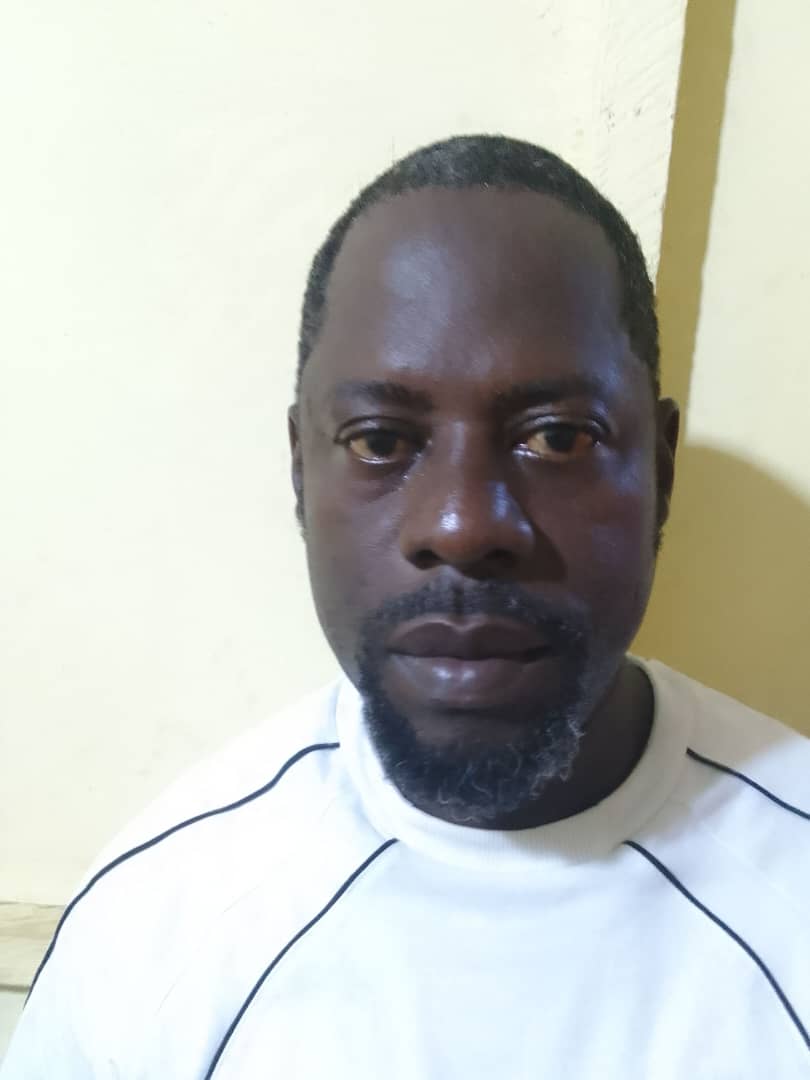
One of the individuals who publicly raised concerns about the spread of the drug in his community is Ibrahim Sorie Kebe, a local resident and community activist.
According to friends and neighbours, Kebe became deeply troubled by the increasing number of young people abusing Kush in areas around Kissy Road, Congo Cross, and Mountain Cut. Concerned about the impact on the future of the youth in his neighbourhood, he began speaking openly about the dangers associated with the drug.
Community members who knew him say he often engaged young people in conversation, encouraging them to abandon the habit and warning them about the long-term consequences of drug addiction.
“He would regularly tell the young boys that Kush was destroying their lives and their future,” one resident who knew him recalled.
Kebe reportedly went beyond informal discussions and began approaching groups of young people who gathered in public spaces to smoke the drug.
According to people familiar with his actions, his intention was to discourage its use and promote awareness about its harmful effects. However, his efforts soon attracted unwanted attention.
Individuals believed to be involved in the distribution and sale of Kush in the area reportedly began to view his activities as interference with their operations. Over time, tensions between Kebe and those associated with the local drug trade reportedly escalated.
Friends and associates state that Kebe began receiving warnings from individuals who told him to stop speaking publicly about the drug.
Despite these warnings, he continued raising awareness within the community.
The situation reportedly intensified during an incident in which Kebe approached a group of young men to speak about the dangers of Kush. Witnesses say that several individuals believed to be connected to the local drug trade confronted him and issued threats against him.
In another incident, he was allegedly chased by men suspected of being involved in the drug trade, forcing him to flee the area to avoid harm.
Following these events, individuals close to Kebe say he became increasingly fearful for his safety. He reportedly began restricting his movements and avoided locations where he might encounter those involved in the sale of the drug.
At the same time, Kebe faced additional pressure due to rumours circulating in the community regarding his sexual orientation. According to people who knew him, speculation spread that he was bisexual and involved in relationships with both men and women.
In Sierra Leone, where conservative religious and cultural norms strongly influence social attitudes, such allegations can expose individuals to stigma, hostility, and discrimination.
For Kebe, who comes from a Muslim background, the rumours reportedly intensified the social pressure he experienced within the community.
Friends who spoke with this reporter say the combination of his outspoken opposition to the Kush trade and the stigma surrounding allegations about his sexuality left him feeling increasingly unsafe in his own neighbourhood.
Sierra Leone currently has no legal protections for LGBTQ individuals, and same-sex relations remain criminalised under colonial-era laws. As a result, individuals perceived to belong to sexual minority groups often face social discrimination and limited access to legal protection.
Community members say this situation made it difficult for Kebe to seek protection locally or relocate safely within the country.
Residents who observed the developments say the case reflects the challenges faced by individuals who attempt to confront criminal activity in communities where informal networks linked to illicit trade may operate.
The spread of Kush has become a growing concern across several parts of Freetown, particularly in densely populated neighbourhoods where unemployed youths are especially vulnerable to drug use and addiction.
Although many residents privately acknowledge the devastating effects of the drug, speaking publicly against those involved in its distribution can carry significant risks.
People close to Kebe say that after the threats and confrontations he experienced, he feared for his life and began avoiding public places where he might be recognised.
His situation highlights the complex intersection of community activism, organised drug activity, and social stigma across Sierra Leone.